A medical emergency can happen anywhere, making CPR training an important skill for responding before professional help arrives. These life-saving courses cover essential emergency response skills, including chest compressions, rescue breathing, and AED use.
Many healthcare professional roles require CPR certification to meet workplace or licensing requirements. The type of CPR training you need depends on your job requirements.
This guide explains CPR certification in Florida, including course types, requirements, training options, certification validity, and how to prepare.
What Is CPR Certification?
CPR certification verifies that an individual has completed recognized training in cardiopulmonary resuscitation and emergency response. The training provides hands-on practice to help participants respond to cardiac arrest, breathing emergencies, and other situations that require immediate assistance.
CPR courses are available at different levels, from basic CPR and AED courses to advanced courses such as BLS, ACLS, and PALS for healthcare professionals. Each course serves a specific purpose and covers skills suited to the intended setting.
Why Is CPR Training Important?
CPR training prepares people to respond effectively during a medical emergency. These skills can be valuable in both personal and professional settings.
- Improves emergency response: CPR training teaches people how to recognize cardiac arrest and respond quickly with appropriate CPR techniques.
- Increases survival chances: Prompt CPR helps keep blood flowing to the brain and other vital organs, increasing the chance of survival.
- Builds community readiness: More CPR-certified individuals across Florida can help create safer communities by providing immediate assistance during life-threatening situations.
- Supports workplace safety: CPR training helps employees know what to do when someone at the workplace suddenly has a cardiac emergency.
Is CPR Certification Required in Florida?
CPR certification is not required for everyone in Florida. Whether you need a certification depends on your profession, workplace, school, licensing requirements, or other applicable rules.
However, CPR training is not limited to professionals who are legally required to hold certification. A cardiac emergency can happen without warning, and having CPR training allows a bystander to begin helping the person until emergency medical services arrive.
Who Needs CPR Certification in Florida?
CPR training is important for several groups and individuals.
Healthcare Professionals
Nurses, physicians, medical assistants, and other healthcare workers may need BLS certification. Some clinical roles may also require ACLS or PALS.
Teachers and School Staff
Florida public schools that are members of the Florida High School Athletic Association must have an operational AED available during athletic activities. Under Florida Statutes Section 1006.165, a school employee or volunteer with current CPR and AED training must also be present at covered athletic events.
Childcare Providers
Childcare professionals may need first aid and CPR training appropriate for infants and children. The exact requirement depends on the type of childcare program and applicable Florida rules.
EMTs and Paramedics
The Florida Department of Health sets CPR certification requirements for EMS professionals. EMT applicants must provide a current CPR credential, such as American Heart Association BLS for the Healthcare Provider. Paramedic applicants must provide a current ACLS certificate or an approved equivalent.
Workplace Employees and Caregivers
Employers may require employees to have CPR, AED, or first aid certification if their job involves responding to emergencies. Parents, babysitters, and caregivers can also take CPR training to learn how to respond when a child or adult needs immediate help, even when certification is not required for their role.
Types of CPR Certification
CPR certification courses cover different levels of emergency response skills, from basic CPR and AED use to advanced life support. The main types include Heartsaver CPR and AED, Heartsaver CPR, AED and First Aid, BLS, ACLS, and PALS.
Heartsaver CPR and AED Certification
Heartsaver CPR and AED certification is a basic course that teaches people how to respond to cardiac emergencies. The training includes chest compressions, rescue breathing, and proper use of an automated external defibrillator.
Heartsaver CPR, AED, and First Aid
Heartsaver CPR, AED, and First Aid certification combines CPR and AED skills with basic first aid. The course covers CPR, AED use, choking response, and first aid for common injuries and medical emergencies.
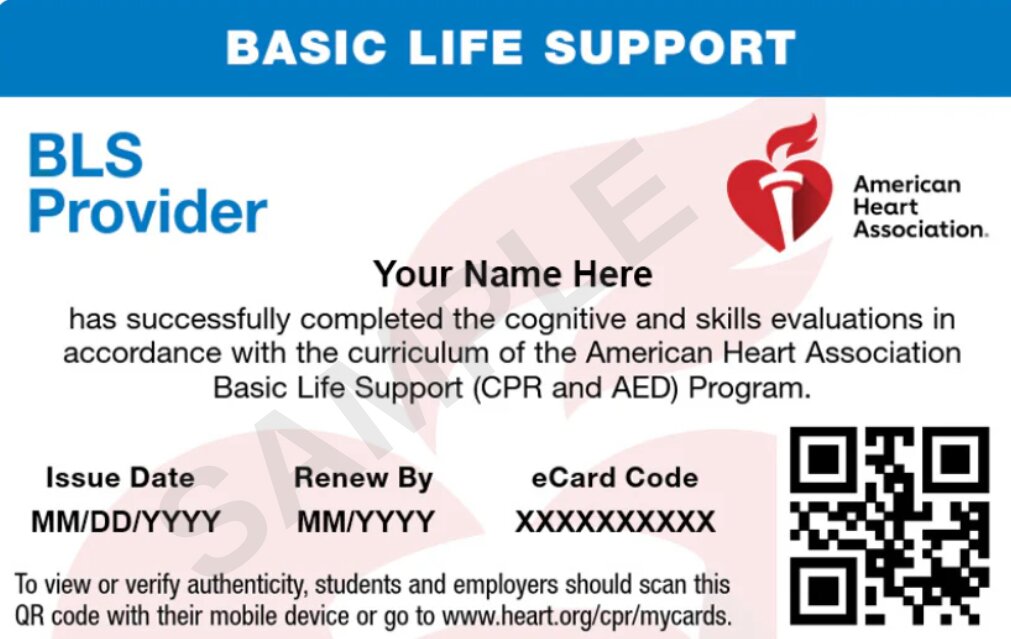
Basic Life Support (BLS)
BLS certification is a basic life support training for responding to cardiac and breathing emergencies. The course teaches high-quality CPR, AED use, rescue breathing, and team response.
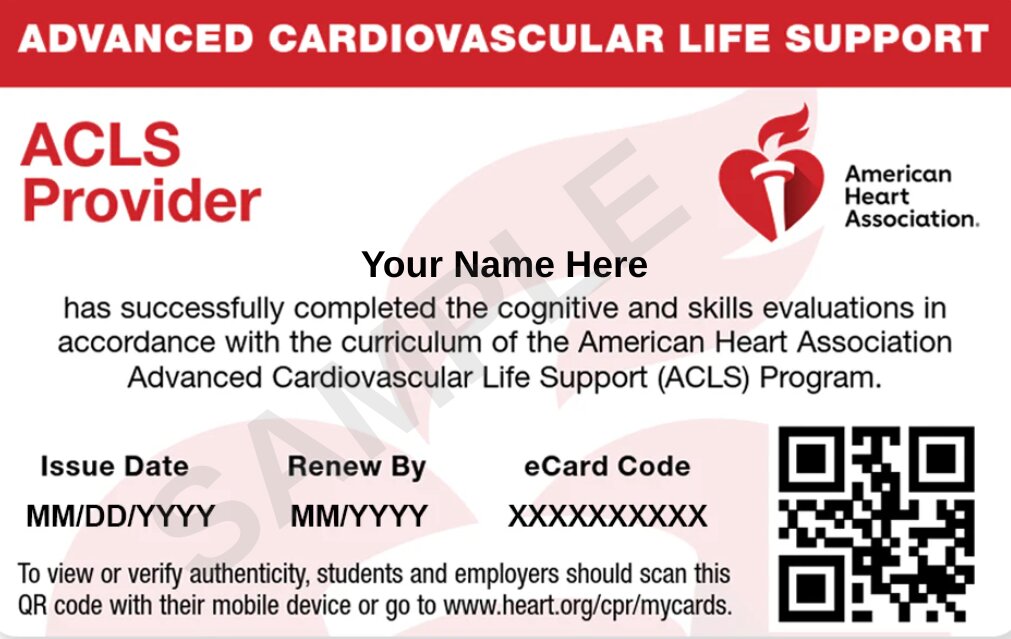
Advanced Cardiovascular Life Support (ACLS)
ACLS certification is an advanced life support course for responding to serious cardiovascular emergencies in adults. The training covers advanced assessment and treatment for cardiac arrest, stroke, and other cardiovascular emergencies.
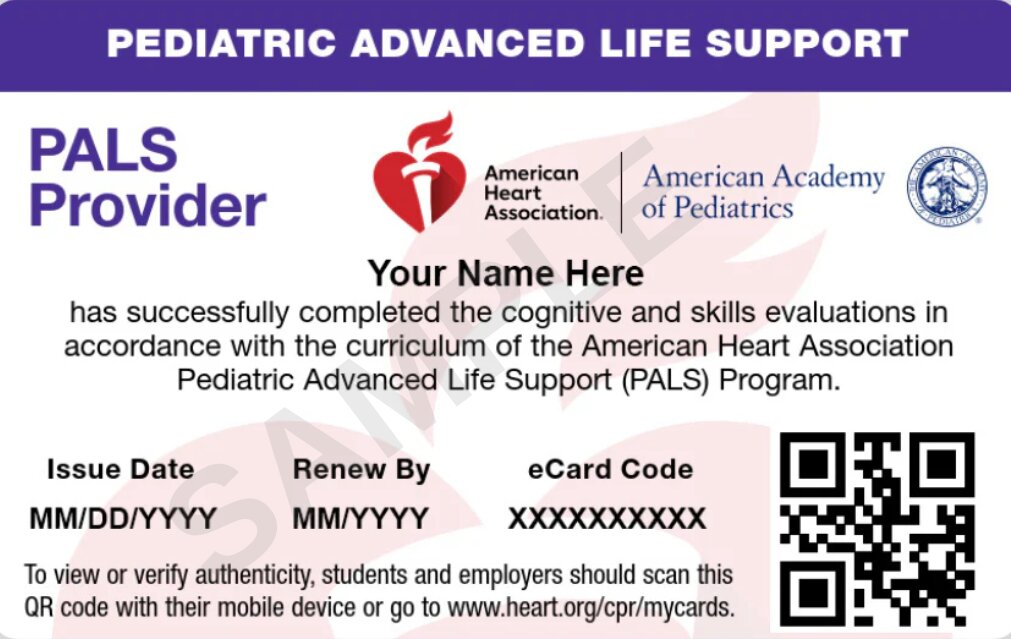
Pediatric Advanced Life Support (PALS)
PALS certification is an advanced life support course for responding to serious emergencies in infants and children. This life-saving training prepares you to assess and treat pediatric patients experiencing breathing, circulation, and cardiac emergencies.
Training Options Available in Florida
In Florida, CPR courses are offered through classroom instruction and blended learning. The main difference is how participants complete the course instruction before demonstrating their CPR skills.
Instructor-Led CPR Classes
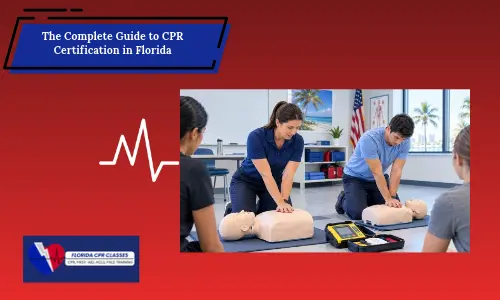
Instructor-led training takes place in a classroom where an instructor teaches the course material and demonstrates the required CPR techniques. Participants practice CPR on training equipment while the instructor observes their technique, provides corrections, and guides them through the skills assessment.
Blended Learning
Blended CPR training has two parts: an online course and an in-person skills session. You can complete the online portion from your phone, tablet, or computer at a time that works for you. You do not need to attend a traditional classroom.
After completing the first part, participants attend the in-person portion and demonstrate their CPR skills using a voice-assisted manikin at a CPR verification station. The system provides real-time feedback and checks the participant’s competency during the skills assessment.
Once both parts are completed successfully, the participant receives the applicable CPR certification card.
Note: While both options can lead to the same certification, many busy professionals choose blended learning for its greater flexibility.
What Do You Learn in CPR Certification Training?
CPR certification training covers the knowledge and practical skills needed to respond to cardiac arrest, choking, and other common emergencies. The specific content depends on the certification level, but most courses cover the following areas:
- Emergency assessment and response: Learn how to assess scene safety, recognize cardiac arrest, and activate emergency medical services.
- CPR skills: Learn how to perform CPR on adults, children, and infants, including proper chest compressions and rescue breathing.
- AED use: Learn how to operate an automated external defibrillator, place the pads correctly, and follow the device prompts during a cardiac emergency.
- Rescue breathing: Learn how to provide effective rescue breaths using the appropriate technique for adults, children, and infants.
- Choking response: Learn how to recognize severe choking and provide appropriate care for adults, children, and infants.
- Team response: Learn how to communicate with other responders and coordinate CPR, AED use, and emergency care.
Note: Healthcare level courses cover advanced airway management, cardiac rhythms, medications, team dynamics, and clinical decision-making for managing serious medical emergencies.
How Long Does CPR Certification Training Take?
Training time varies by course level and format. Basic CPR courses usually take less time, while advanced life support courses require longer training.
- CPR and AED: Focuses on basic CPR techniques and AED use.
- Heartsaver First Aid CPR AED: Adds first aid instruction to CPR and AED training.
- BLS, ACLS, and PALS: Cover more advanced life support skills and require longer training.
Blended courses provide greater scheduling flexibility, with the online portion completed before the in-person skills verification.
How Long Is CPR Certification Valid?
Certification length depends on the training organization and course.
American Heart Association course completion cards are generally valid for two years.
Your employer, school, licensing authority, or professional organization may have additional requirements. Check the expiration date on your certification and confirm the renewal rules that apply to your position.
How to Choose the Right CPR Certification Provider
The provider you choose can affect the quality, convenience, and recognition of your training. Look for these key features before enrolling.
Certification Recognition
Make sure the provider offers certification from a recognized organization, such as the American Heart Association. Widely accepted credentials can help meet workplace or professional requirements.
Course Availability
Look for class times that fit your schedule, including weekday, evening, and weekend options. Online or blended courses may offer additional flexibility.
Hands-On Training
Quality CPR training should include practical skills practice with appropriate equipment. Feedback during training can help you improve chest compressions, AED use, and other essential techniques.
Location and Accessibility
A convenient training location makes it easier to attend your course and complete required hands-on practice.
How to Prepare for Your CPR Certification Course
A few simple steps can help you arrive ready for training.
Before your course:
- Wear comfortable clothing that allows you to kneel and move freely.
- Check your course details and arrive at the scheduled time.
- Finish any assigned online coursework before the in-person session.
- Bring any documents or confirmation details required for your course.
- Read the course instructions so you know what to expect.
Being prepared helps you focus on the training and complete the required skills assessment.
Prepare for Emergencies With CPR Training
CPR training teaches you how to recognize cardiac emergencies, perform CPR, and use an AED correctly. The right certification course can also help you build practical skills and confidence through hands-on training.
Florida CPR classes offer flexible American Heart Association courses, including BLS, ACLS, and PALS, to meet different professional and certification needs. With various learning options and class schedules, participants can choose a course that fits their requirements while completing the necessary training and skill practice.
Frequently Asked Questions
Can I take a CPR course if I have never been certified before?
Yes. Beginners can enroll in Heartsaver CPR and AED, Heartsaver First Aid CPR AED, or BLS courses without previous CPR certification.
Can I take ACLS or PALS without taking a BLS course?
No. You must have a current BLS certification before taking an ACLS or PALS course. BLS provides the foundational life support skills that ACLS and PALS build on, so participants need a strong understanding of basic life support before moving on to advanced training.
Can I renew my CPR certification before it expires?
Yes, you can usually take a renewal course before your current certification expires. Check your employer or licensing requirements for the appropriate renewal timing.
Do I need to take the same CPR course when renewing my certification?
Not necessarily. The renewal course you need depends on your current certification and your employer or professional requirements.
Can parents and babysitters take CPR classes in Florida?
Yes. Parents and babysitters can take CPR classes in Florida to learn how to perform CPR and use an AED during an emergency involving a child or adult.
What should I check before booking a CPR class?
Confirm the certification type, course format, skills assessment requirements, class schedule, and whether the credential meets your workplace or professional requirements.