Pediatric Advanced Life Support (PALS) training prepares healthcare professionals to respond to serious emergencies involving infants and children, including respiratory distress, shock, and cardiac arrest. Whether you are earning your PALS certification for the first time or renewing an expiring card, our American Heart Association (AHA) PALS course combines self-paced online learning with hands-on skills practice to help you prepare for pediatric emergencies.
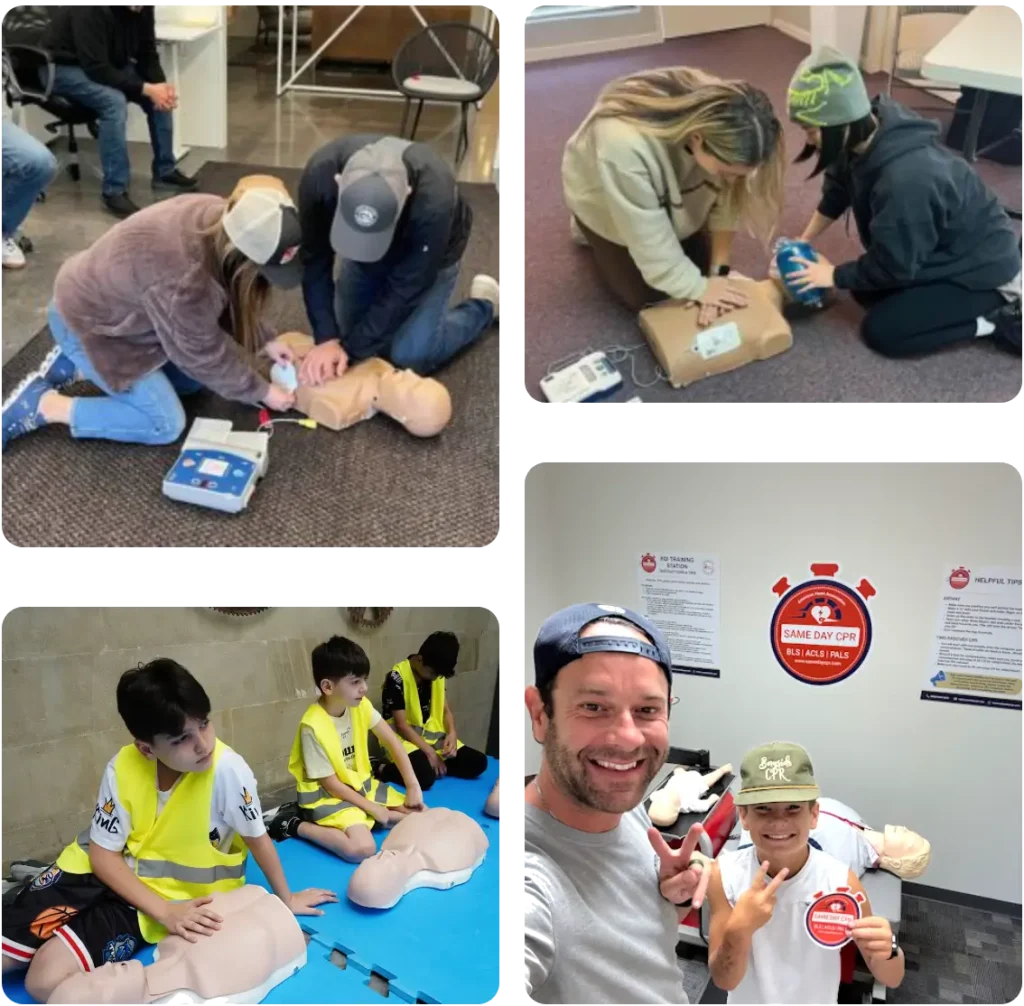
When a child faces a serious medical emergency, healthcare providers need the skills to recognize changes quickly and respond with confidence. Our PALS training in Florida focuses on pediatric assessment, emergency response, and effective team-based care for infants and children. The course helps healthcare professionals strengthen their clinical skills and prepare for situations where fast, informed decisions are essential.
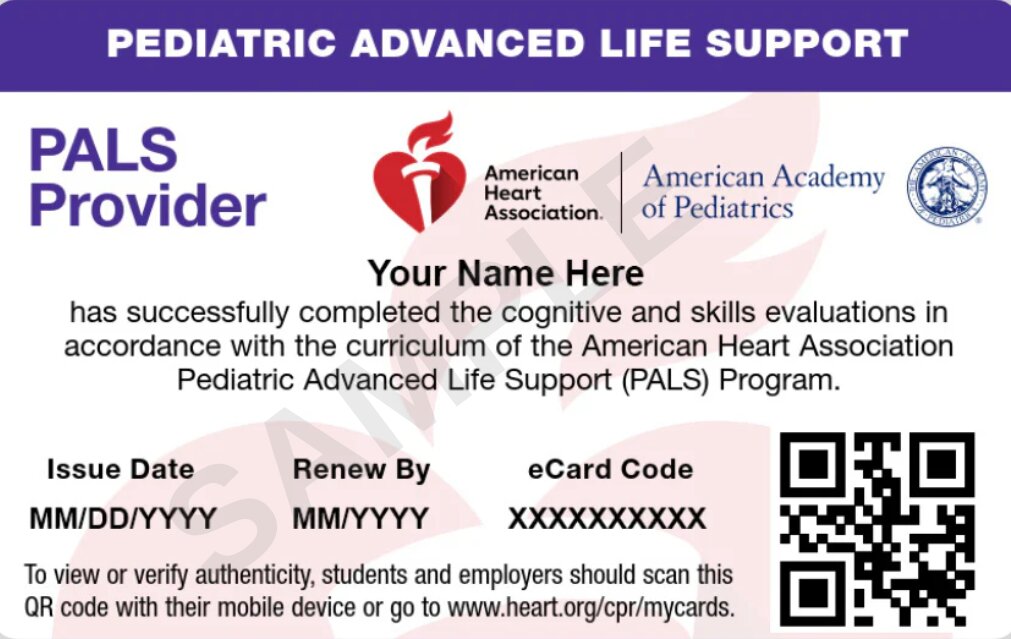
Ideal for healthcare professionals seeking initial certification or renewal.
For participants who have already completed the online course and only require the practical evaluation.
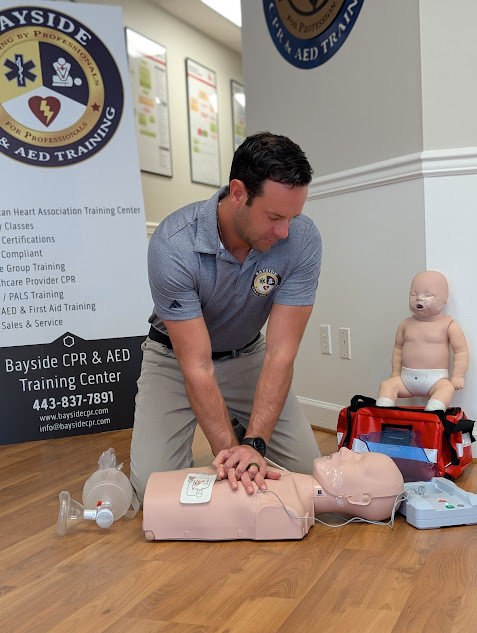
Healthcare professionals in Florida often have demanding schedules and cannot dedicate an entire day to classroom training. Our PALS certification process lets you complete the online portion at your own pace and schedule your hands-on skills check when it works for you.















PALS stands for Pediatric Advanced Life Support. It is an American Heart Association course designed for healthcare professionals who respond to or care for infants and children experiencing serious medical emergencies.
Children can present differently from adults during an emergency. PALS training helps healthcare professionals recognize signs of deterioration and respond to conditions such as respiratory emergencies, shock, and cardiac arrest.
The course covers systematic assessment, emergency interventions, medication use, airway management, resuscitation, and effective team communication. PALS builds on the foundation of Basic Life Support (BLS), so a current BLS certification is required before completing PALS training.
A PALS certification is valid for two years and should be renewed before it expires.
Children often show subtle signs of deterioration before experiencing a major medical event. PALS teaches providers how to identify these warning signs and intervene before conditions worsen.
Participants learn structured assessment methods that help guide treatment decisions during complex pediatric emergencies.
Because many pediatric emergencies begin with respiratory problems, PALS places significant emphasis on airway assessment, oxygen delivery, and ventilation support.
Healthcare providers gain valuable experience working through realistic pediatric emergency scenarios that reinforce clinical judgment and teamwork.
Effective communication is essential during emergency care. PALS teaches providers how to function as both leaders and team members during critical events.
Training follows the latest American Heart Association recommendations for pediatric emergency cardiovascular care.
Our AHA PALS course focuses on the knowledge and skills healthcare professionals need when responding to pediatric emergencies.
By completing the course, you will learn how to:
Nurses working with pediatric patients in hospitals, emergency departments, and urgent care settings may be required to maintain current PALS certification.
Healthcare professionals working in pediatric and neonatal intensive care environments may need current PALS certification based on their facility or role requirements.
Pediatricians, emergency physicians, and medical residents may need PALS certification as part of their employment, training, or credentialing requirements.
Nurse practitioners and physician assistants who provide care to pediatric patients may need PALS certification depending on their employer and clinical responsibilities.
Complete an AHA PALS course based on current American Heart Association guidelines and receive an official AHA PALS Provider eCard upon completion.
Your AHA PALS eCard can be presented to employers and organizations across the United States, subject to their individual certification requirements.
Complete your skills check and receive your official PALS eCard digitally the same day.
Complete the online portion on your schedule before attending your hands-on skills check.
Return to your online course materials as needed while preparing for your skills check.
If you do not pass the skills check on your first attempt, you can continue practicing and complete additional attempts until you meet the requirements.


Get all essential details about your PALS certification, including course format, validity period, compliance standards, and how your certification is issued.
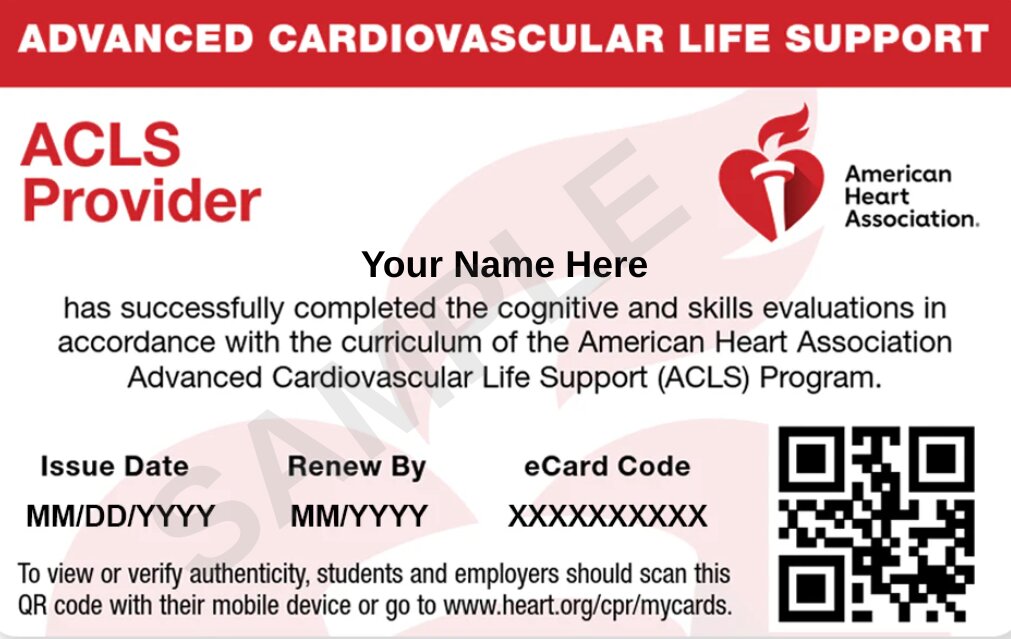
Advanced Cardiovascular Life Support
Flexible & self-paced;
Hands-on practice
Truster Certification
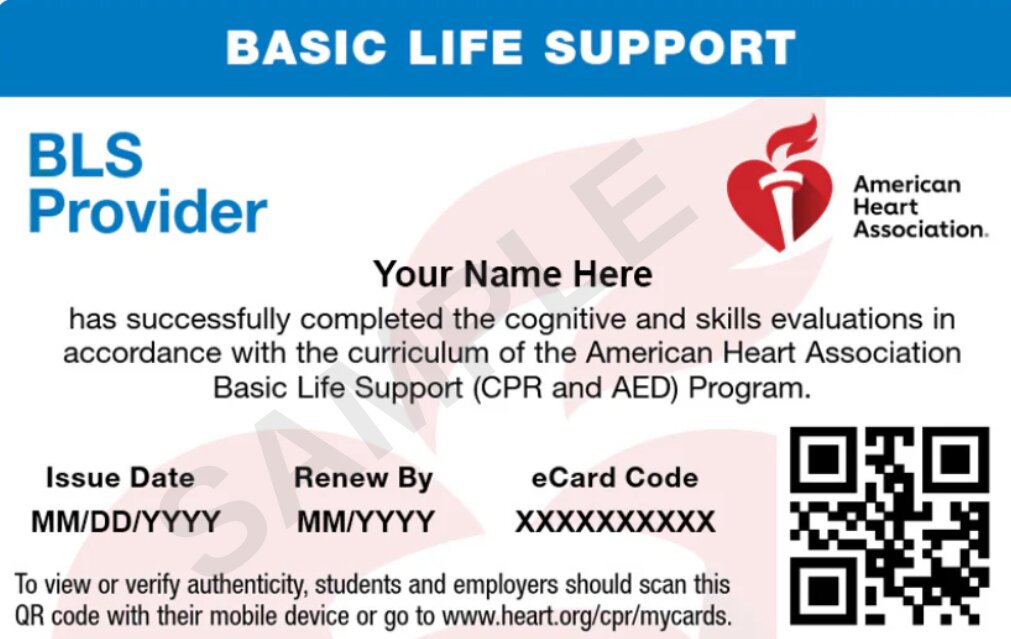
Basic Life Support
Flexible & self-paced;
Hands-on practice
Truster Certification
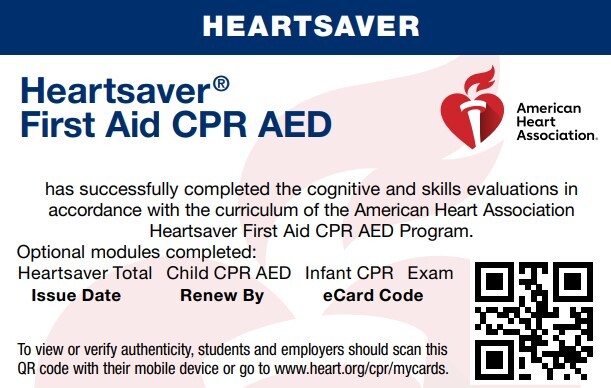
Heartsaver First Aid CPR AED
Flexible & self-paced;
Hands-on practice
Truster Certification
Be prepared to respond when a pediatric emergency happens. Complete your PALS training through self-paced online learning, attend a convenient hands-on skills check, and receive your official AHA PALS eCard the same day.
No. The course is completed through self-paced online learning followed by a hands-on skills check using a voice-guided training manikin. There is no traditional instructor-led classroom session.
Yes. PALS builds on BLS knowledge and skills, so you need a current BLS certification before completing PALS training.
The time required for the online portion varies based on your experience and learning pace. The hands-on skills check typically takes 30–60 minutes.
AHA PALS certification is valid for two years from the date of completion. You should renew your certification before it expires.
