Not sure which CPR course you need or what happens after you complete the online course? This FAQ covers common questions about BLS, ACLS, PALS, and CPR training in Florida, including course selection, online learning, skills verification, certification cards, and training locations.
The right course depends on your role and what your employer or school requires. BLS teaches basic CPR and life support skills. ACLS covers serious heart and circulation problems in adults. PALS covers serious medical emergencies in infants and children.
Nursing students and other healthcare students commonly need BLS before clinical training. Your school may have additional requirements, so check your program’s certification policy before registering.
CPR training generally teaches the core response to cardiac and breathing emergencies, while BLS provides healthcare-level training that includes CPR, AED use, ventilation, choking response, and team-based resuscitation. Your employer or school can tell you which credential you need.
PALS is intended for healthcare professionals who may respond to serious emergencies involving infants and children. Pediatric nurses, physicians, emergency staff, and other clinicians may need PALS based on their role or employer requirements.
BLS may be appropriate for people outside healthcare when their employer, school, or organization requires it. ACLS and PALS are intended primarily for healthcare professionals whose roles involve managing adult or pediatric emergencies.
Yes. You should have a current BLS certification before taking ACLS or PALS. BLS provides the CPR and basic life support skills needed for these advanced courses. Your employer or school may also have additional requirements.
Yes, you can take a renewal course while your current certification is still valid. Renewal requirements vary by course, so check the requirements for your specific certification before registering.
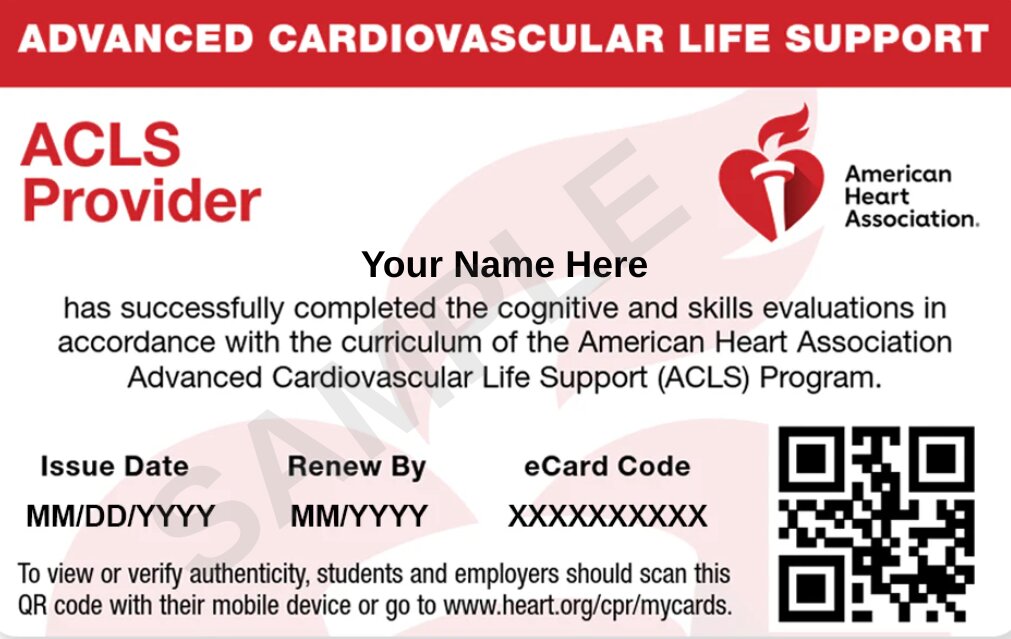
Yes. Students who successfully complete all required parts of an applicable AHA course receive the corresponding AHA Provider eCard.
AHA BLS, ACLS, and PALS provider certifications are generally valid for two years. Your employer, school, or licensing organization may have additional requirements for keeping your credential current.
Yes. AHA Provider eCards are recognized throughout the United States. You can provide your credentials to an employer or organization in another state that accepts the applicable AHA certification.
No. An AHA eCard is the digital version of the course completion card, not a separate certification. You receive it after successfully completing the required AHA course and can use it as proof of completion.
Yes. You can renew your AHA certification before it expires. The renewal requirements depend on the course and your current certification status.
Hospitals, clinics, healthcare organizations, schools, and employers widely accept AHA certifications. Check with your employer or program to confirm which AHA certification you need before registering.
No. Completing the online portion alone does not complete a blended AHA certification. You must also complete the required hands-on skills component before receiving the applicable provider credential.
Yes. You can complete the HeartCode coursework from home using a phone, tablet, or computer. After finishing the online portion, you will need to attend a skills session at a Florida CPR Verification Station.
No. With HeartCode, you complete the course lessons online instead of sitting through a traditional classroom session. You only need to visit a Florida CPR Verification Station for the required hands-on skills session.
You complete the practical portion of your course at a CPR Verification Station. The Voice-Assisted Manikin guides you through the required skills and provides feedback as you perform them.
The verification session uses a self-guided, voice-assisted manikin rather than a traditional classroom instructor. The system provides instructions and feedback while you work through the required skills.
The skills you practice depend on your course. BLS includes adult and pediatric CPR, AED use, and basic airway skills. ACLS and PALS include additional skills for managing serious adult or pediatric emergencies.
You can complete your skills session at any of our convenient New York locations:
You can continue practicing and repeat the required skills during your session. Florida CPR Classes allows unlimited skill attempts at no additional charge.
The time needed to complete your certification depends on the course and how quickly you finish the online coursework. After completing the online portion, you attend the required skills session. Once you pass the skills evaluation, you can receive your AHA eCard the same day.
We have seven CPR Verification Stations across Florida:
You can choose the location that works best for you.
Our team is ready to help. We’ll get back to you soon.


Advanced Cardiovascular Life Support
Flexible & self-paced;
Hands-on practice
Truster Certification
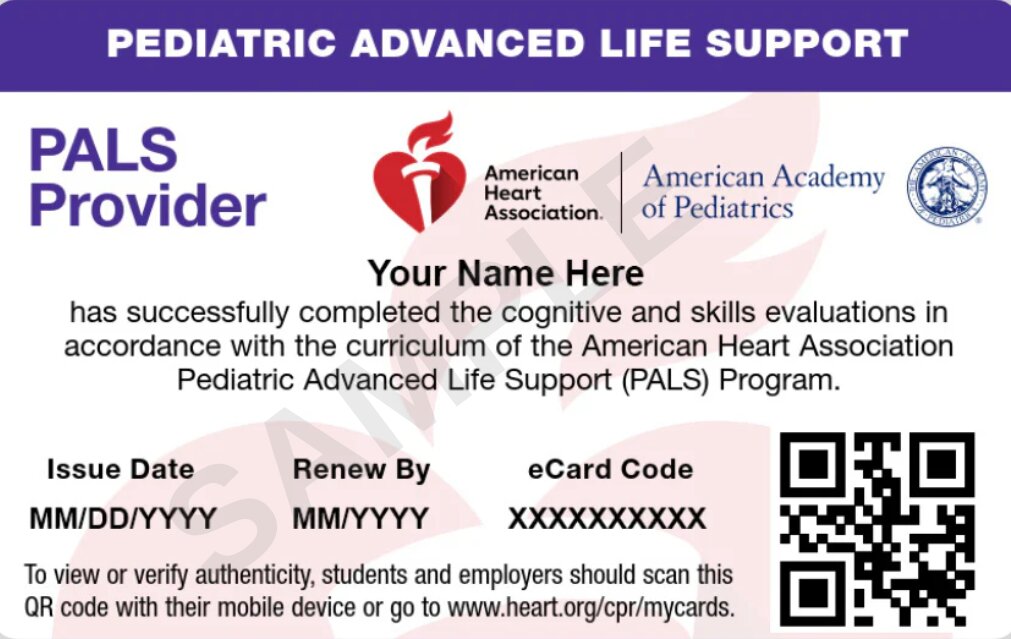
Pediatric
Advanced Life
Support
Flexible & self-paced;
Hands-on practice
Truster Certification
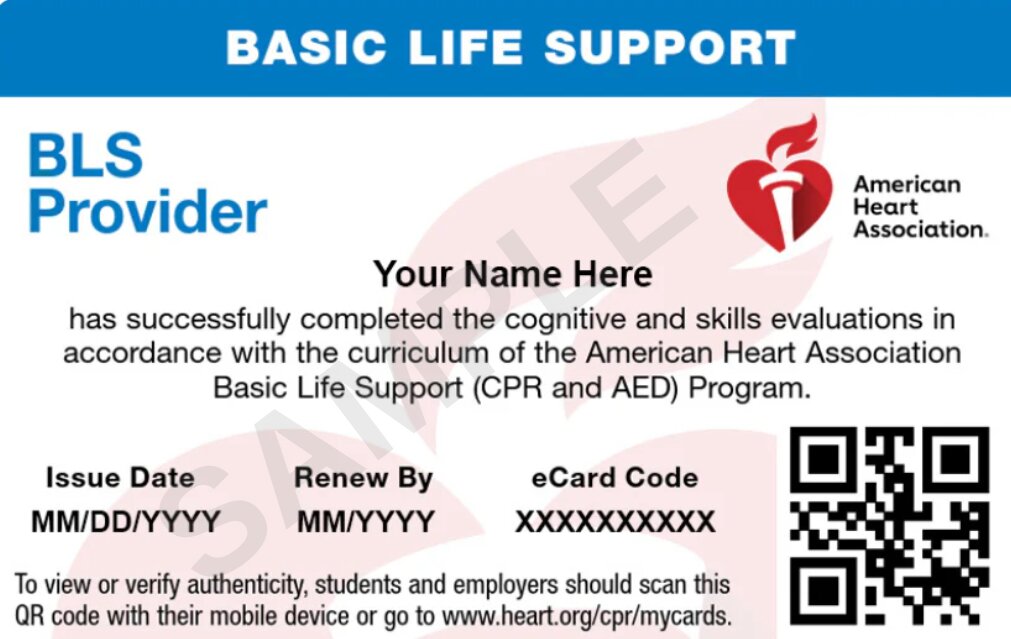
Basic Life Support
Flexible & self-paced;
Hands-on practice
Truster Certification
