Looking for CPR certification for your job or professional responsibilities? In Florida, certain occupations require CPR training to meet workplace or state regulations, while other employers recommend it to prepare staff to respond to medical emergencies.
Diagnose and treat medical conditions and manage patient care during medical emergencies.
Assess patients, administer treatments, monitor vital signs, and respond to changes in patient conditions.
Help patients with personal care, mobility, hygiene, and other daily living activities.
Record vital signs, prepare patients for examinations, and assist physicians with routine clinical procedures.
Provide respiratory treatments and support patients experiencing breathing difficulties.
Help patients restore mobility, strength, and physical function through rehabilitation.
Help patients develop or regain the skills needed for everyday activities following illness or injury.
Provide nursing care in patients’ homes and monitor their conditions during recovery or long-term treatment.
Examine patients, diagnose oral health problems, and perform dental treatments.
Clean teeth, assess oral health, and provide preventive dental care.
Prepare treatment areas, assist dentists during procedures, and support patient care.
Perform surgical procedures involving the mouth, jaw, and facial structures.
Supervise children and assist with meals, play, hygiene, and daily routines.
Manage childcare facilities, supervise staff, and oversee policies related to children’s care and safety.
Guide early learning activities and support children’s social, emotional, and cognitive development.
Provide in-home childcare and manage children’s routines, activities, and daily needs.
Provide temporary childcare and supervise children while parents or guardians are away.
Deliver lessons, assess student progress, and manage classroom activities.
Teach exercise and sports skills while supervising students during physical activities.
Provide healthcare services to students and respond to medical concerns during the school day.
Oversee school operations, coordinate staff, and manage student safety procedures.
Transport students and maintain passenger safety during school journeys.
Teach academic or professional subjects and supervise classroom or practical learning activities.
Develop individual exercise programs and guide clients through strength and cardiovascular workouts.
Lead group fitness classes and demonstrate exercises for participants with different fitness levels.
Teach yoga poses, breathing techniques, and movement practices to improve flexibility and balance.
Guide exercises that improve core strength, posture, coordination, and stability.
Develop training programs to improve strength, power, endurance, and athletic performance.
Assess physical fitness and develop exercise programs based on health conditions and fitness goals.
Help prevent, assess, and manage sports injuries and support athletes during recovery.
Manage sports programs, coordinate teams, and oversee athletic operations.
Supervise participants during outdoor activities, recreation, and organized camp programs.
Help operate sports venues and support the safe running of sporting events.
Organize recreational activities, coordinate schedules, and oversee program operations.
Monitor swimming areas, perform water rescues, and provide emergency care when needed.
Teach swimming techniques and basic water safety skills to learners.
Train swimmers to improve their technique, endurance, and performance.
Oversee pool operations, aquatic staff, maintenance, and facility safety procedures.
Teach drowning prevention and safe practices around aquatic environments.
Monitor beach conditions, identify hazards, and warn visitors about dangerous water conditions.
Assess patients, provide prehospital emergency medical care, and assist with transportation to medical facilities.
Respond to fires, conduct rescue operations, and provide emergency medical assistance when trained.
Respond to public safety incidents and may provide initial medical assistance before EMS arrives.
Enforce laws, respond to emergency calls, and assist people during urgent incidents.
Monitor assigned properties, identify safety concerns, and respond to incidents involving occupants or visitors.
Supervise individuals in correctional facilities and respond to medical or security incidents.
Identify hazards, monitor safety practices, and support workplace emergency preparedness.
Perform building and infrastructure tasks in environments where injuries and medical emergencies may occur.
Receive, store, and move goods while following workplace safety procedures.
Operate machinery, assemble products, and perform production tasks in industrial settings.
Carry out assigned emergency duties and provide initial assistance until emergency services arrive.
Assist customers, manage merchandise, and support daily store operations.
Prepare and serve food, assist customers, and support restaurant operations.
Manage guest services and daily hotel operations while assisting guests when needed.
(Initial & Renewal)
(Initial & Renewal)
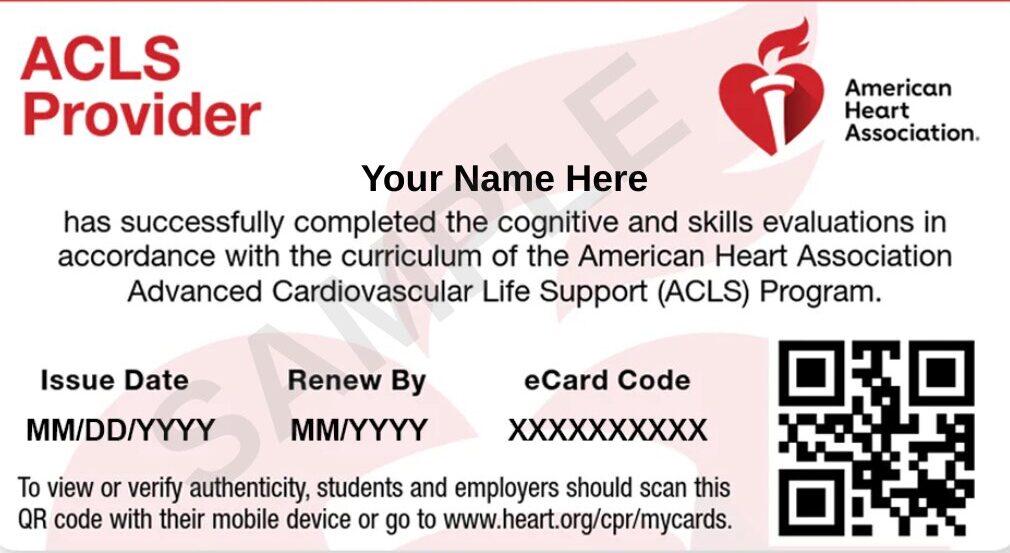
ACLS is for professionals who manage cardiovascular emergencies. Training focuses on advanced assessment, cardiac rhythms, airway support, medications, and coordinated team response.
(Initial & Renewal)
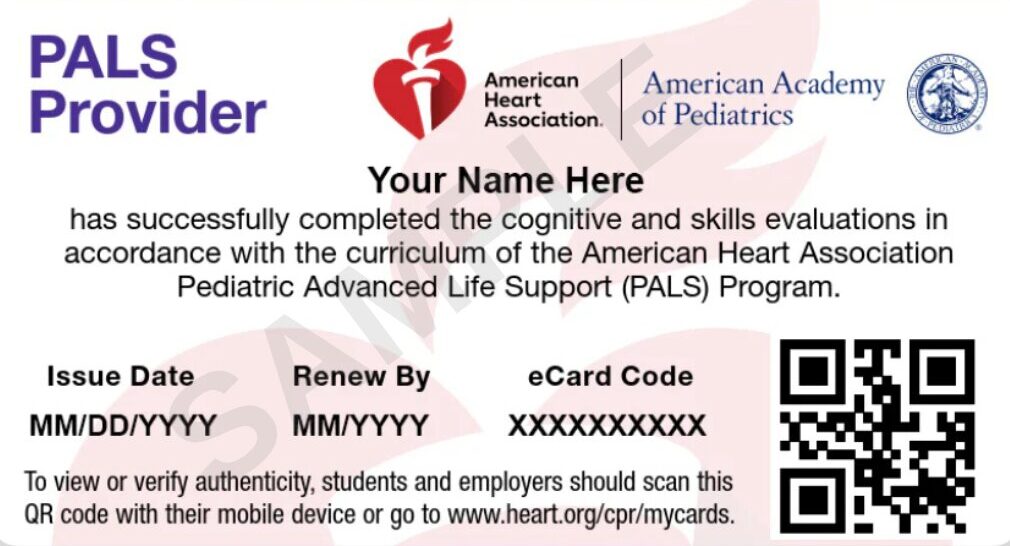
We help busy professionals develop essential lifesaving skills through recognized CPR training, hands-on practice, and convenient class options. Our courses support students who need initial certification or renewal while preparing them to respond to emergencies.
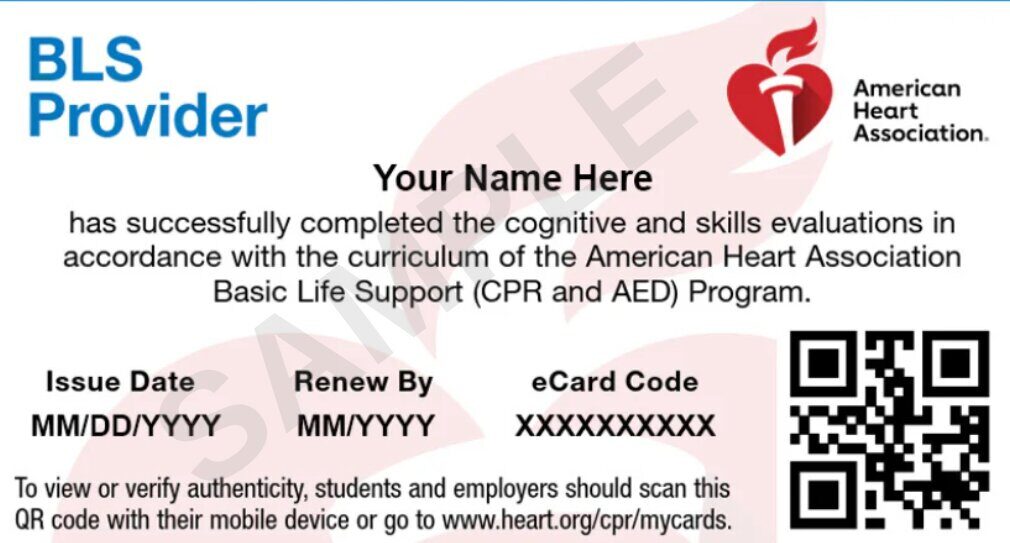
Complete your required course and skills assessment to receive your certification card the same day, when eligible.
Train through American Heart Association courses that meet the requirements of the applicable certification program.
Practice essential CPR techniques, including chest compressions, rescue breathing, and AED use, as appropriate for your course.
Choose from available class times that fit your work, education, and personal commitments.
Find training options for those earning certification for the first time and those renewing an existing credential.
Whether CPR certification is required for your job or you want to learn how to respond to emergencies, choosing the right training class is an important first step.
Explore available CPR classes and find a training option that meets your needs.
No. CPR certification is not required for every job in Florida. Requirements vary by occupation, employer policies, and applicable state regulations.
Florida childcare regulations require designated staff to maintain current pediatric CPR and First Aid training. Specific requirements depend on the facility type and applicable rules.
Yes. Anyone can take CPR training to learn lifesaving skills and prepare to respond to cardiac emergencies at home, in the workplace, or in public.
The right certification depends on your profession and employer’s requirements. Healthcare professionals may need BLS, ACLS, or PALS, while other workers may need CPR and AED training or a course that includes first aid.
Yes. Anyone can take CPR training to learn lifesaving skills and prepare to respond to cardiac emergencies at home, in the workplace, or in public.
Yes. You can enroll in an appropriate CPR course after your certification expires. Whether you can take a renewal course or need to complete the full course depends on the training provider and certification program.