Choosing between American Heart Association (AHA) and American Red Cross (ARC) Basic Life Support (BLS) certification can be confusing, especially for healthcare professionals who need a valid credential for employment, clinical rotations, or professional licensing.
Both organizations offer BLS training that teaches healthcare providers to respond to cardiac and breathing emergencies through CPR, AED use, rescue breathing, and other essential resuscitation skills. However, the two programs differ in their training formats, course materials, certification processes, and completion requirements.
This guide compares AHA BLS and ARC BLS certification, explaining their differences in cost, validity, employer recognition, and training options to help you choose the right course.
Is American Red Cross BLS the Same as AHA BLS?
No. While both American Red Cross (ARC) and American Heart Association (AHA) BLS courses follow the same resuscitation science and recommendations from the International Liaison Committee on Resuscitation (ILCOR), they are separate certification programs. Both organizations teach similar CPR and emergency response practices, but they use separate course materials, training methods, and certification processes.
The only similarities between these courses are their two-year certification validity and their shared principles for preparing participants to respond to cardiac and breathing emergencies. Furthermore, certification from one organization does not automatically replace certification from the other.
Key Differences Between AHA and Red Cross BLS Certification
AHA and Red Cross BLS programs share the same primary goal: preparing healthcare professionals to respond effectively to life-threatening emergencies. However, they operate under separate training and certification systems.
Here is a side-by-side comparison:
| Comparison | American Heart Association (AHA) BLS | American Red Cross (ARC) BLS |
| Certification Name | BLS Provider eCard | Red Cross BLS Certification |
| Curriculum | AHA guidelines and course materials | Red Cross course materials |
| Course Delivery | Authorized AHA Training Centers | Red Cross training network |
| Employer Acceptance | Commonly required by healthcare employers | Accepted by many healthcare employers |
| Training Formats | Classroom, blended, and self-guided | Classroom and blended learning |
| Skills Assessment | Hands-on skills evaluation | Practical skills evaluation |
1. Certification Name
Although both organizations offer BLS certification, each issues a credential with a different name.
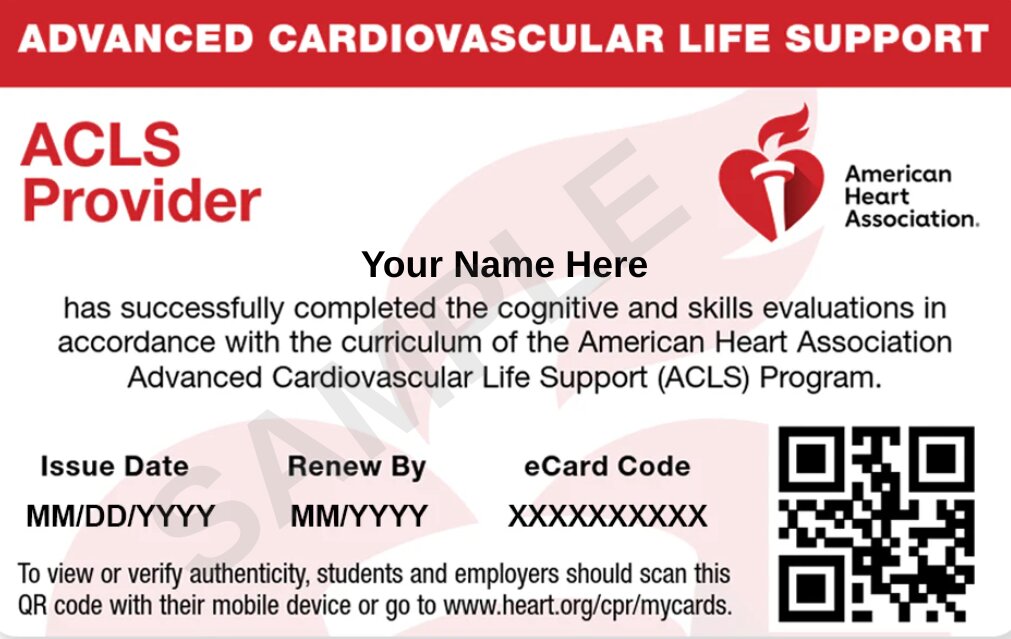
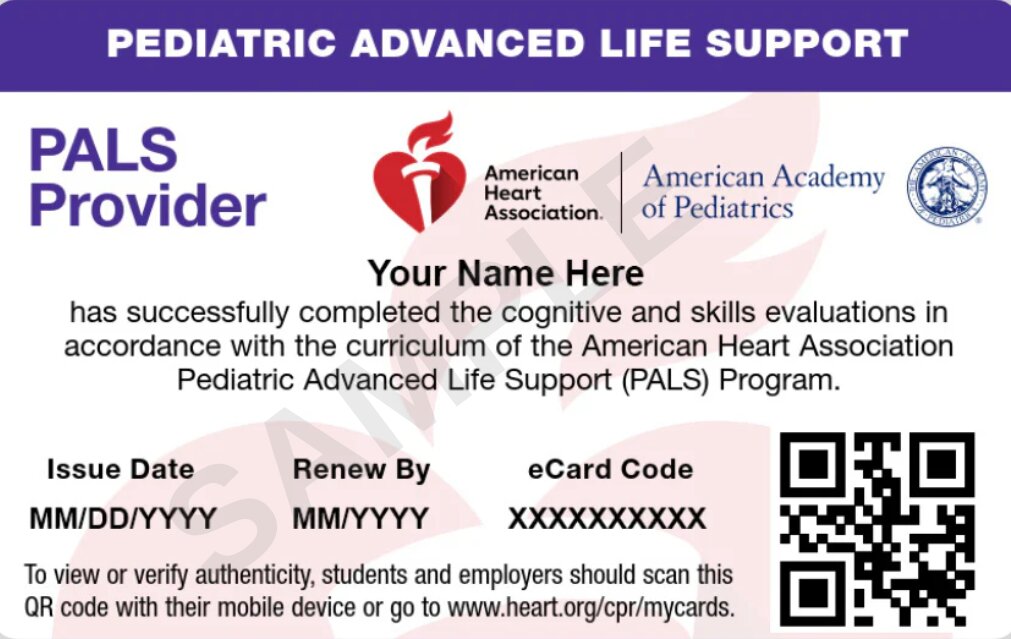
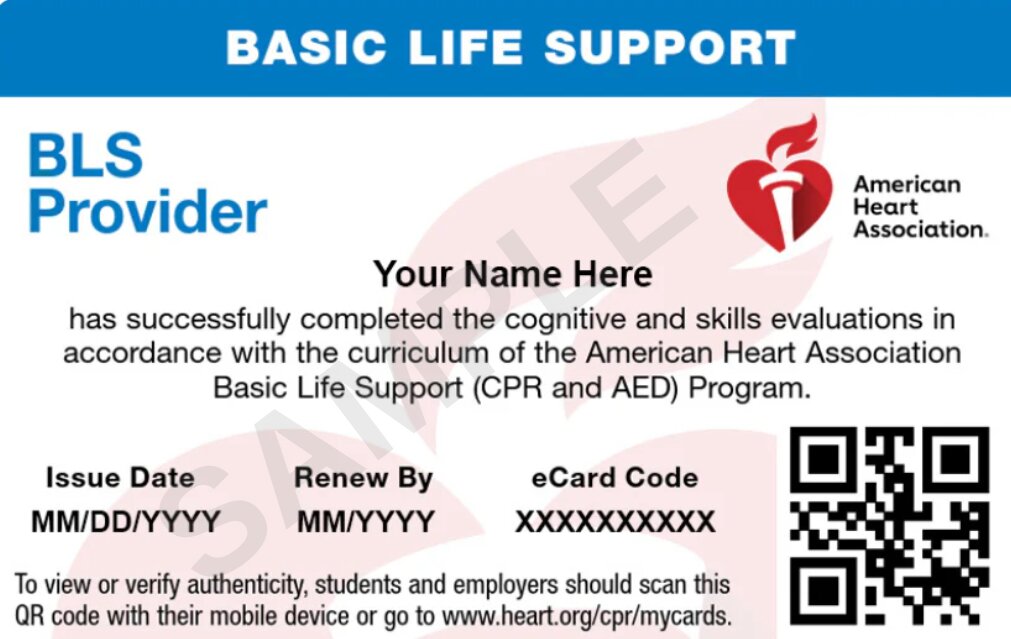
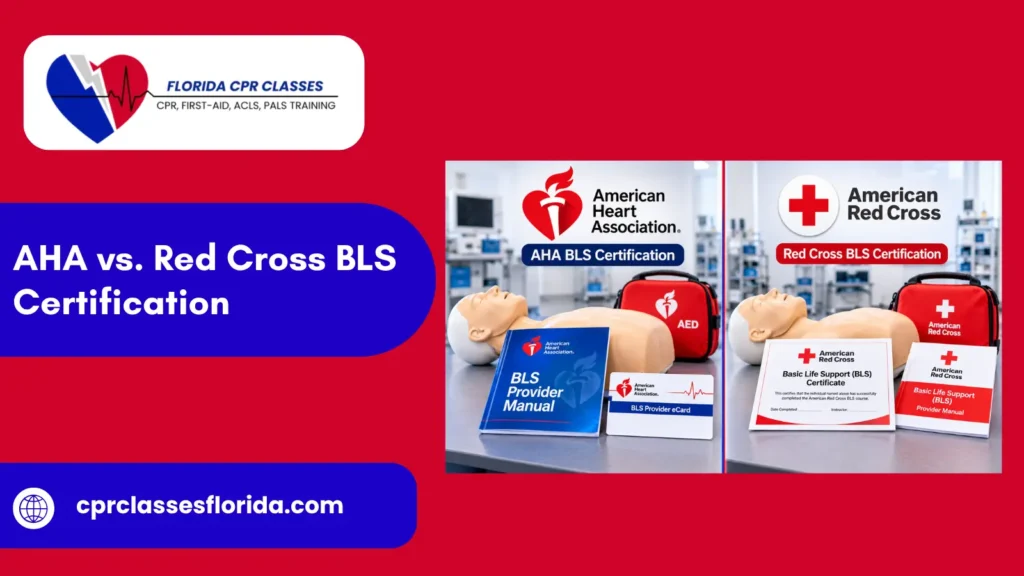
The American Heart Association issues a BLS Provider eCard to participants who complete the course requirements. This electronic course completion card includes the participant’s name, issue date, renewal date, and verification details.
The American Red Cross issues a Red Cross BLS Certificate after successful course completion. Participants can access, download, print, and share their digital certificate through their Red Cross account.
AHA BLS and Red Cross BLS are separate certifications. If your employer requires AHA certification, a Red Cross BLS certificate will not meet that requirement, and vice versa.
2. Curriculum and Guidelines
The AHA develops its BLS curriculum using its own resuscitation guidelines and scientific recommendations. Its course materials are updated to reflect the latest CPR and Emergency Cardiovascular Care (ECC) guidelines and scientific recommendations.
The American Red Cross also develops its own BLS training materials. Its courses are based on evidence-based resuscitation science and are reviewed by the Red Cross Scientific Advisory Council, which includes medical, scientific, and academic experts.
Both organizations follow broadly aligned resuscitation principles, but they maintain separate curricula and training resources.
3. Course Delivery
The American Heart Association develops its BLS courses and makes them available through authorized AHA Training Centers. These centers work with qualified instructors and training sites to deliver the courses and issue official AHA BLS Provider eCards.
The American Red Cross delivers BLS training through its own training network and affiliated instructors. Participants can enroll through Red Cross training locations and approved training providers.
4. Employer Acceptance
Hospitals, healthcare facilities, and medical employers across the United States widely recognize AHA BLS certification.
Comparatively, fewer hospitals and healthcare employers accept Red Cross BLS certification than AHA BLS certification.
Before enrolling, check whether your employer requires an AHA BLS Provider eCard or accepts Red Cross BLS certification.
5. Training Formats
The AHA offers BLS training through instructor-led classroom courses, HeartCode BLS blended learning, and self-guided learning options. The available format determines how participants complete the learning portion and practical skills evaluation.
The American Red Cross offers instructor-led classroom training and blended learning options. Availability can vary by location and training provider.
Both organizations provide options for participants who prefer in-person instruction or a combination of online learning and practical training.
6. Skills Assessment
The AHA BLS course requires participants to demonstrate their CPR skills during a hands-on evaluation. Instructors assess performance using AHA training standards before issuing the BLS Provider eCard.
The Red Cross BLS course follows its own practical assessment criteria. Participants must demonstrate the required skills according to Red Cross standards to earn a Red Cross BLS Certificate.
The main difference is how each organization evaluates participants and applies its own skills assessment requirements.
Which Organization’s BLS Certification Is More Expensive?
American Heart Association (AHA) BLS certification can be more expensive overall when the course provider charges separate fees for online learning, hands-on skills assessments, and required training materials. These additional costs can increase the total amount participants pay to complete the certification.
American Red Cross (ARC) BLS certification may offer a more bundled pricing structure, with multiple course components included in one upfront fee. However, this does not mean Red Cross certification is always cheaper. Prices vary depending on the training provider, location, and course format.
Before choosing a course, compare the total cost rather than just the advertised enrollment fee. Check whether the price includes online coursework, instructor-led training, skills assessment, and the certification credential. Also, confirm which certification your employer accepts before enrolling.
Is AHA BLS Better Than Red Cross BLS?
Neither course is inherently better in terms of curriculum, as both AHA BLS and Red Cross BLS teach similar essential life support skills. Both organizations are well-established and trusted providers of BLS training, with courses based on current resuscitation science and guidelines.
However, AHA BLS can be a better choice for healthcare professionals because more hospitals and healthcare facilities specifically require or prefer AHA certification.
Before enrolling, confirm which BLS certification your employer, school, or licensing organization requires. This ensures you choose an accepted certification and do not have to take another course later.
Can You Switch From Red Cross BLS to AHA BLS?
Yes. If you previously earned BLS certification through the American Red Cross, you can still take the AHA BLS Provider Course to earn an AHA certification.
However, having a current Red Cross BLS certification does not automatically provide an AHA BLS completion card.
If your employer requires AHA certification, you will need to complete the appropriate AHA course and meet its knowledge and practical skills assessment requirements.
Similarly, an AHA BLS card does not automatically replace a Red Cross credential when an organization specifically requires Red Cross training.
Before switching providers, check whether you qualify for a renewal course or need to complete the full provider course.
What Should You Check Before Enrolling in a BLS Course?
Before paying for BLS training, verify the following details:
- Certification provider: Confirm whether your employer accepts AHA, Red Cross, or both.
- Course Type: Choose a BLS course for healthcare professionals rather than a general CPR course.
- Hands-on assessment: Check whether the course includes practical CPR and AED skills testing.
- Training format: Determine whether classroom or blended learning is suitable for your schedule.
- Certification validity: Confirm that the completion card or certificate is valid for two years.
- Total course cost: Ask whether registration includes course materials, skills testing, and the completion card.
- Renewal requirements: Check whether your employer requires renewal before the expiration date.
These checks can help you avoid paying for a course that does not meet your professional requirements.
Conclusion
Your choice between AHA and Red Cross BLS should depend on your workplace requirements. Before enrolling, confirm which certification your employer accepts, especially if it specifically requires an AHA BLS Provider eCard.
If you need AHA BLS certification in Florida, Florida CPR Classes offers blended learning options at multiple training locations across the state. You can also explore ACLS and PALS courses. Complete your course and required skills assessment to receive your nationally recognized AHA BLS Provider eCard.
Frequently Asked Questions
1. What is the most accepted BLS certification?
The American Heart Association (AHA) BLS Provider certification is one of the most widely accepted BLS credentials among hospitals, healthcare facilities, and medical employers in the United States. The American Red Cross (ARC) also offers an accepted BLS certification, but some employers specifically require AHA certification. Always check your employer’s requirements before enrolling.
2. Is AHA BLS hard to pass?
AHA BLS is manageable with proper preparation. The course includes CPR techniques, AED use, rescue breathing, and team response skills. Participants must pass the required written assessment and hands-on skills evaluation to receive the BLS Provider eCard.
3. Can you get BLS certified completely online?
No. AHA BLS certification requires a hands-on skills session to demonstrate CPR and other practical skills. You can complete the learning portion online through HeartCode BLS, but you must pass the required skills assessment to receive your BLS Provider eCard.
4. Why is AHA BLS expensive?
AHA BLS training includes more than online learning. The cost may cover official course materials, instructor guidance, hands-on practice, skills assessment, and the BLS Provider eCard. Prices vary by training center, location, and course format.