
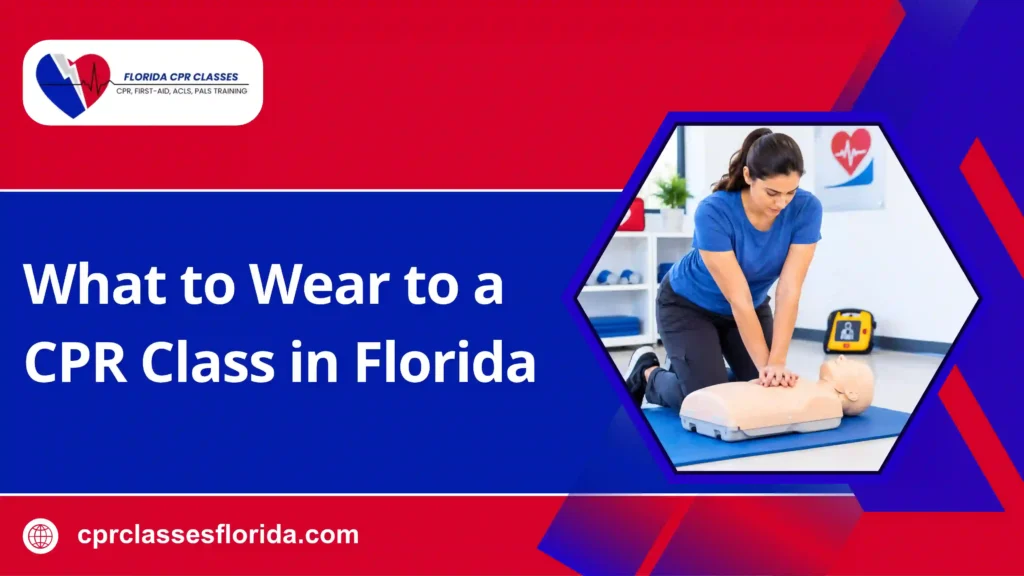
Getting ready for a CPR class in Florida? You may be wondering whether you need scrubs, athletic clothing, or simply your usual everyday outfit. Most CPR classes do not require a uniform, but wear clothes that let you kneel, lean over a manikin, and practice chest compressions without restriction.
A few simple choices can help you prepare for your training session. This guide explains what to wear to a CPR class, which clothing to avoid, and what to bring for your hands-on training.
Why Does Clothing Matter for CPR Training in Florida?
CPR classes involve practical sessions with shared manikins and other training equipment. Wearing clean clothes supports good hygiene during hands-on training.
Here are a few reasons to wear suitable attire to your CPR class in Florida:
- Allows free movement: Flexible clothing makes it easier to kneel, bend, and lean over a manikin during CPR practice.
- Supports hands-on learning: Clothes that stay in place help you practice chest compressions without stopping to adjust your outfit.
- Provides stable footing: Closed-toe shoes help you move safely around the training area and maintain a steady stance during CPR practice.
- Helps you stay comfortable in Florida’s climate: Breathable fabrics help you stay comfortable in Florida’s warm, humid weather, while a lightweight layer keeps you warm in air-conditioned training rooms.
- Reduces distractions: Tying back long hair and removing dangling jewelry keeps them out of the way while you practice CPR skills.
What Should You Wear to a CPR Class?
Wear a T-shirt or breathable top, flexible pants, and closed-toe shoes to a CPR class. Choose an outfit that allows you to kneel on the floor and practice CPR skills without restriction.
1. Comfortable Shirts and Tops
Choose a top that allows you to reach forward and move your arms freely. Breathable fabrics help you stay comfortable in Florida’s warm weather, especially when traveling to your training location.
Suitable options include:
- T-shirt: Allows easy arm movement during CPR practice.
- Polo shirt: Offers a neat, casual option for training.
- Breathable athletic shirt: Helps keep you cool in warm weather.
- Lightweight cotton top: Provides airflow and comfort during the session.
Your shirt should stay in place when you bend over a manikin. Avoid tops that restrict shoulder movement or need frequent adjustment during practice.
2. Flexible Pants or Comfortable Bottoms
Flexible pants allow you to kneel, bend your knees, and lean forward without restricting movement around your waist or legs.
Suitable options include:
- Stretch jeans that allow comfortable movement
- Athletic pants or joggers
- Leggings that provide adequate coverage
- Scrubs or flexible work trousers
You may also be able to wear comfortable shorts if your training provider permits them. Pants are often the more practical choice for floor-based CPR practice.
3. Closed-Toe Shoes
Supportive, closed-toe shoes help you move around the training area, stand securely, and kneel beside a manikin during skills practice. Choose shoes that fit well and have a non-slip sole. Suitable options include:
- Sneakers: Provide support for standing and moving during training.
- Athletic shoes: Allow easy movement and offer a secure fit.
- Walking shoes: Provide support during standing and practical activities.
- Comfortable work shoes: Offer a secure fit and protect your toes during training.
4. Lightweight Layers for Florida’s Weather
Florida’s outdoor temperatures can be high, while air conditioning may make indoor training rooms feel cool. Wearing breathable clothing with a light extra layer helps you stay comfortable in different temperatures.
Suitable options include:
- Lightweight jacket: Easy to put on or remove if the training room feels cool.
- Thin sweater: Keeps you warm in an air-conditioned training room.
- Light cardigan: Easy to put on or take off if the room temperature changes.
Is There a Dress Code for CPR Classes in Florida?
Most CPR classes do not require a formal uniform. Everyday clothes that allow free movement are usually enough.
You do not need to buy new clothes or special athletic wear for your CPR class. Your existing wardrobe will likely include everything you need for hands-on practice.
If you are attending as part of a workplace requirement, check whether your employer has a specific dress code.
Can You Wear Scrubs to a CPR Class?
Yes. Scrubs are generally appropriate for CPR training, particularly for healthcare workers attending an AHA BLS, ACLS, or PALS course before or after a shift. They offer freedom of movement and are familiar workwear for many clinical professionals.
However, scrubs are not usually mandatory. Nursing students, healthcare trainees, teachers, childcare workers, and other participants can generally wear comfortable everyday apparel.
What Should You Avoid Wearing to CPR Training?
Some outfit and personal care choices can make hands-on CPR practice less comfortable or distract you and other participants during training.
1. Restrictive Clothing
Avoid tight trousers, stiff fabrics, or tops that limit your movement. These can make it harder to kneel, bend, and lean over a manikin.
2. Open-Toe Footwear
Avoid flip-flops and loose sandals. Closed-toe shoes that fit securely provide better foot protection and support during practical activities.
3. Jewelry and Loose Hair
Long necklaces, large earrings, and loose bracelets can get in the way during CPR practice. If you have long hair, tie it back to keep it away from your face while leaning over a manikin. Keep jewelry minimal so it does not interfere with practical activities.
4. Clothing That Requires Frequent Adjustment
Avoid skirts, dresses, or other outfits that ride up, slip out of place, or need constant adjustment. These outfits can make it harder to kneel and move comfortably while practicing CPR on a training manikin.
5. Delicate or Expensive Apparel
CPR training involves kneeling on the floor and leaning over manikins. Avoid delicate or expensive clothes that may get damaged or dirty during CPR practice.
6. Strong Perfumes or Fragrances
Avoid applying strong perfume, cologne, or heavily scented body sprays before class. Strong fragrances may bother other participants, especially those who are sensitive to scents.
What Should You Wear for a BLS, ACLS, or PALS Skills Session?
BLS, ACLS, and PALS courses include practical skills assessments, so your apparel should allow you to participate in the required exercises.
- BLS classes: You may practice adult CPR, infant CPR, AED use, and other basic life support skills. Wear an outfit that allows you to kneel beside a manikin and perform compressions comfortably.
- ACLS classes: Practical activities involve CPR, rhythm recognition, resuscitation scenarios, and team-based communication. Comfortable clothing helps you move around the training area and participate in scenarios.
- PALS classes: Pediatric resuscitation training may involve infant and child manikins, assessment scenarios, and team-based practice. Flexible attire is useful when working at different heights around the training equipment.
If you complete the online portion of an American Heart Association HeartCode course before attending an in-person skills session, these apparel recommendations apply to the practical appointment.
What Should You Bring to a CPR Class?
What you wear is just one part of preparing for your CPR training. Check your course confirmation for the specific items you need.
A simple preparation checklist includes:
- A valid photo ID, if required by your provider
- Your course confirmation or appointment details
- Proof of online course completion, if required
- A notebook and pen for taking notes
- Water to drink before or after the session
- Glasses or contact lenses if needed to see clearly
- Any other personal items you need to participate comfortably
For blended learning courses, confirm that you have completed the required online coursework before arriving for your in-person skills assessment.
You generally do not need to bring your own CPR manikin or AED training equipment unless the provider specifically requests it.
Prepare for Your CPR Class in Florida
Before attending your CPR class in Florida, choose comfortable attire and check what you need to bring. You will practice skills such as chest compressions and AED use, so wear an outfit that allows you to kneel beside a training manikin and move freely throughout the session.
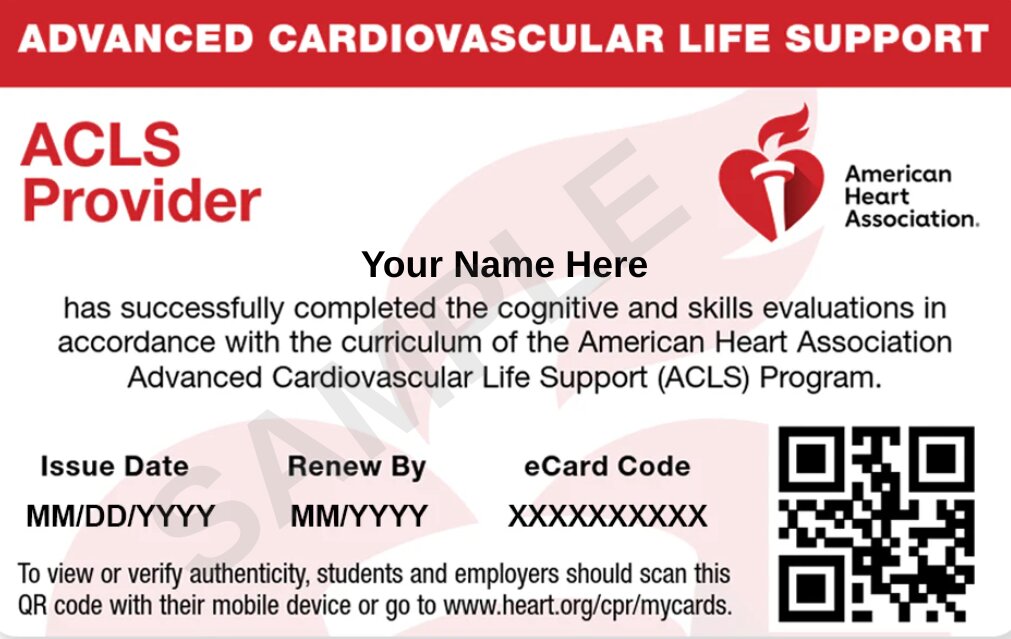
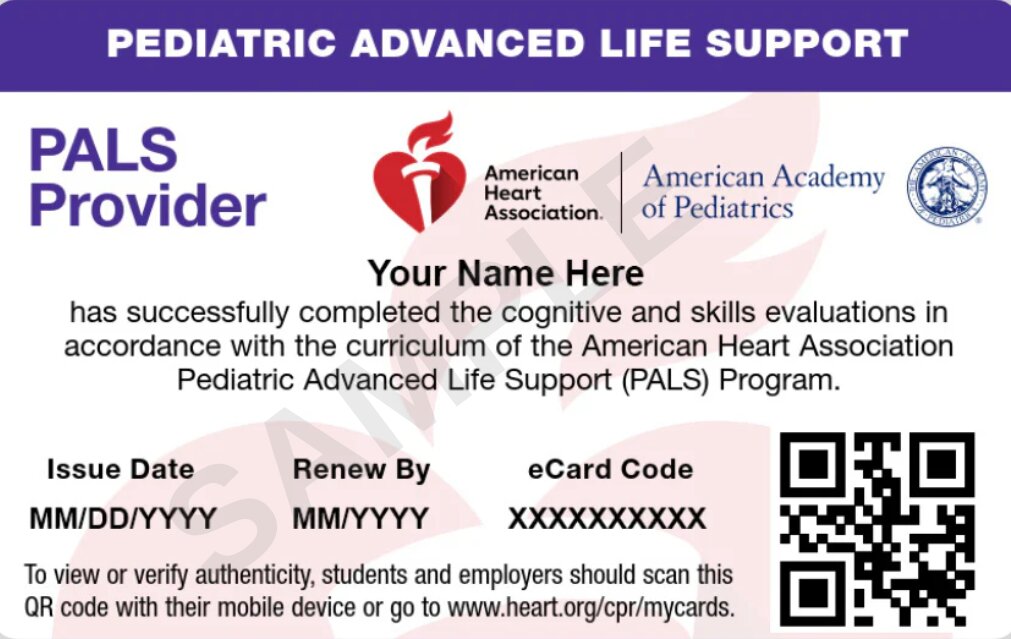
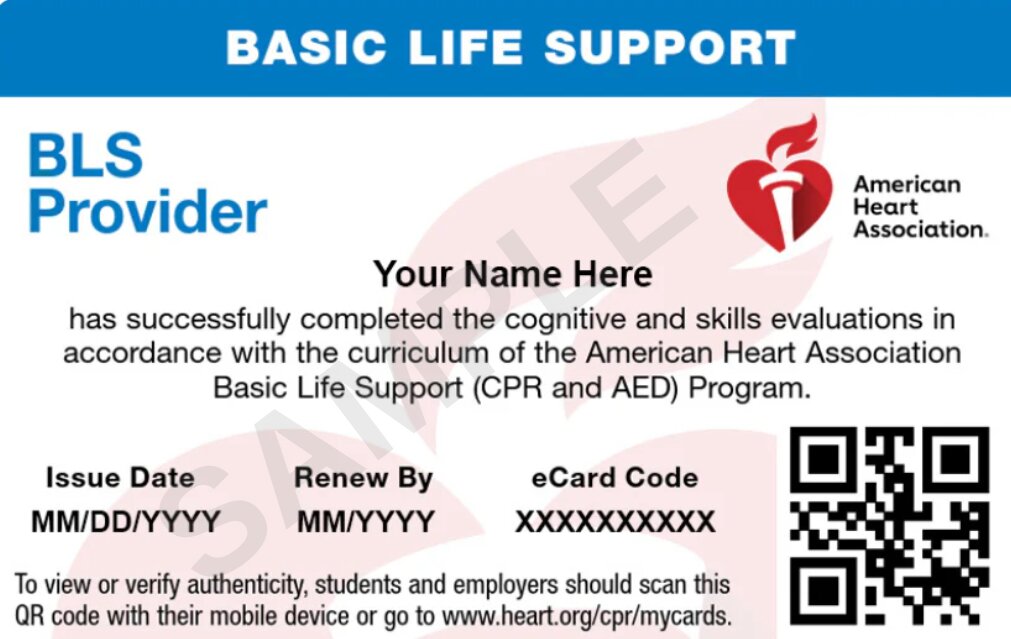
At Florida CPR Classes, you can complete American Heart Association (AHA) BLS, ACLS, and PALS training through a blended learning format. Complete the online coursework first, then attend an in-person skills session at a CPR Verification Station. After successfully completing all required course components, you can receive your AHA Provider eCard the same day.
FAQs About What to Wear to a CPR Class
Do I have to wear scrubs for a BLS class?
No. Scrubs are generally optional unless your employer or training provider requires them. Comfortable everyday clothing is usually sufficient for BLS skills practice.
Can I wear a dress or skirt to CPR training?
You should avoid wearing a dress or skirt to CPR training, as you may need to kneel on the floor and lean over a training manikin during chest compressions. Pants provide better coverage and make it easier to move comfortably during hands-on practice.
Do I need athletic clothing for CPR training?
No. You do not need specialized athletic clothing. A comfortable shirt, flexible pants, and secure closed-toe shoes are generally sufficient.
What if I cannot kneel during CPR practice?
Contact your training provider before your appointment. Explain your limitation and ask about available accommodations and the practical assessment requirements. Do not assume that an alternative position will satisfy every required skill.
Should I bring a change of clothes to a CPR class?
A change of clothes is not usually necessary for a standard CPR course. You may bring one if you are coming directly from work, expect to change afterward, or prefer a fresh outfit following practice.