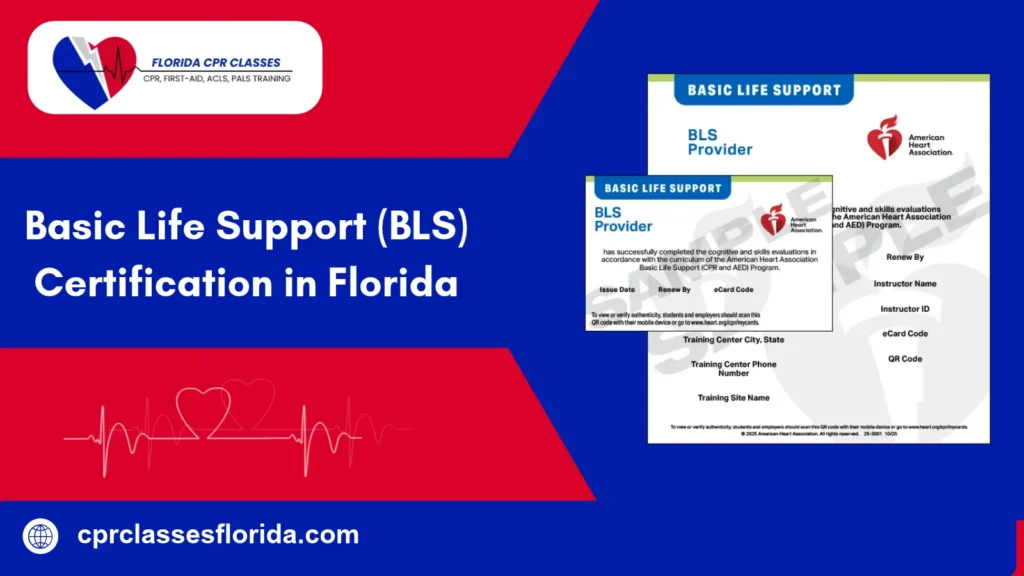
Looking for Basic Life Support (BLS) certification in Florida? BLS training equips healthcare professionals with essential skills to respond to cardiac arrest, breathing emergencies, and other life-threatening situations. The course covers cardiopulmonary resuscitation (CPR), automated external defibrillator (AED) use, choking relief, and team-based resuscitation.
This guide explains who needs BLS certification, what the course covers, how to get certified, available training options, renewal requirements, and how to choose a recognized provider in Florida. Whether you are a nurse, doctor, dental professional, or healthcare student, this information will help you understand the certification process and prepare for enrollment.
What Is BLS Certification?
BLS certification is a professional credential that verifies a person’s ability to perform essential life-saving techniques during cardiac and respiratory emergencies. Organizations such as the American Heart Association (AHA) develop resuscitation guidelines that inform BLS training and practice.
BLS stands for:
- B: Basic refers to essential emergency care techniques.
- L: Life focuses on preserving life during a medical emergency.
- S: Support involves CPR, AED use, and assistance with breathing until advanced medical care is available.
What Does a BLS Certification Course in Florida Include?
A BLS certification course in Florida combines essential emergency care knowledge with hands-on practice. Participants learn how to recognize life-threatening conditions, perform resuscitation, and provide immediate assistance while waiting for advanced medical care.
1. Adult, Child, and Infant CPR
Participants practice cardiopulmonary resuscitation (CPR) techniques for different age groups. Training covers proper chest compression depth, rate, hand placement, and rescue breathing to help maintain blood circulation and oxygen delivery during cardiac arrest.
2. Automated External Defibrillator (AED) Use
Students learn to operate an AED, place the pads correctly, follow the device’s voice prompts, and deliver a shock when instructed. They also practice coordinating defibrillation with CPR to support effective emergency response.
3. Rescue Breathing and Ventilation
Individuals learn how to provide rescue breaths to someone who cannot breathe adequately, use a bag mask device when appropriate, and coordinate ventilation with chest compressions during CPR.
4. Choking Relief
Learners practice recognizing severe choking in adults, children, and infants and performing age-appropriate techniques to relieve airway obstructions. They also review the correct response steps to help restore normal breathing safely.
5. Single Rescuer and Team-Based Resuscitation
Single rescuer and team-based resuscitation covers performing CPR alone and coordinating efforts with other healthcare providers. Key skills include communicating clearly, dividing responsibilities among team members, taking turns performing chest compressions, and limiting pauses during CPR.
6. Recognition of Cardiac and Respiratory Arrest
Students learn to identify signs of cardiac arrest, assess responsiveness, recognize abnormal or absent breathing, and activate emergency response procedures. Early recognition helps rescuers begin appropriate care and arrange additional medical assistance.
Practical skills sessions allow participants to apply these techniques on training manikins, receive instructor feedback, and complete the assessments required for their selected BLS course.
Who Needs BLS Certification in Florida?
BLS certification is commonly required for professionals whose responsibilities involve direct patient care or emergency response. Eligibility and credentialing requirements vary by employer, licensing body, and professional role.
People who may need this qualification include:
- Registered nurses and licensed practical nurses
- Physicians and physician assistants
- Emergency medical technicians and paramedics
- Dental professionals and dental assistants
- Medical assistants and clinical support staff
- Nursing students and other healthcare trainees
- Hospital employees and healthcare workers in outpatient facilities
- Qualified first responders and public safety personnel
- Non-healthcare professionals, including childcare providers, teachers, coaches, fitness trainers, and workplace safety staff, when required by their employer or role.
Before enrolling, check your employer’s requirements to confirm which training organization and course format are accepted.
How to Get BLS Certified in Florida
You can find BLS certification classes through local training providers across Florida. Classes are available in Boynton Beach, Clermont, Fort Lauderdale, Longwood, Orlando (Hunters Creek), Winter Park, and many other communities, making it easier to find a location that fits your needs.
Step 1: Choose an approved training provider
Look for a reputable organization offering a recognized BLS Provider course. The American Heart Association and American Red Cross are common options for healthcare-focused resuscitation education.
Step 2: Select your preferred class format
Depending on the provider, you can take BLS training in a traditional classroom with an instructor or complete the coursework online and attend an in-person session to practice your skills.
Step 3: Complete the course material
Study CPR techniques, AED operation, ventilation, airway obstruction management, and team-based emergency response.
Step 4: Demonstrate your practical abilities
Participate in hands-on exercises and complete the required skills assessments. Some courses also require a written or online knowledge examination.
Step 5: Receive your course completion credential
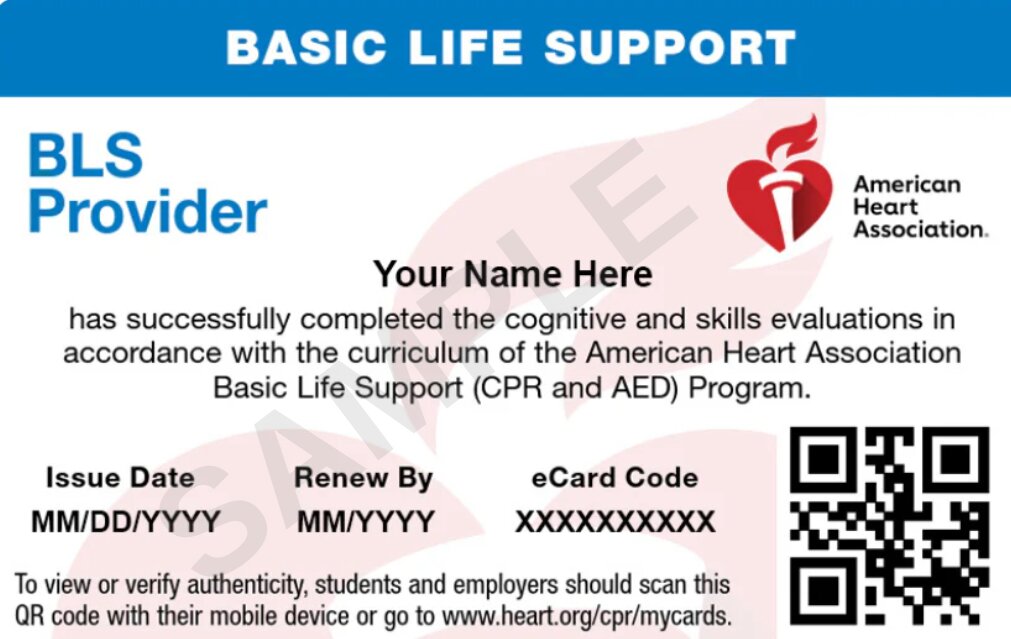
After meeting the provider’s requirements, you receive the relevant BLS certification card or digital credential. Keep a copy available for employment verification and future renewal.
BLS Certification Class Formats
People in Florida can choose a training option that fits their schedule, experience level, and workplace requirements.
Traditional BLS Training
Traditional BLS training takes place in a classroom with an instructor who guides you through each step of the course. You will watch demonstrations, practice CPR and other life support skills on training manikins, and complete a skills assessment to demonstrate your competency. This option is ideal for those who prefer learning directly from an instructor, practicing skills in person, and receiving immediate feedback.
Blended Learning
Blended learning offers a flexible option for people with busy schedules. You can complete the online coursework at your own pace before moving on to the hands-on skills portion. During the skills session, voice-assisted manikins guide you through CPR techniques, provide real-time feedback, and assess your performance. This format allows you to study online while demonstrating your skills and competency through practical assessment.
How Long Does BLS Certification Take?
Course duration depends on the training organization, class format, and whether you are completing initial training or renewal.
Instructor-led classes take several hours, while blended programs divide the coursework between online study and practical evaluation. Renewal sessions are often shorter than initial classes.
Check the provider’s course description for the expected schedule, attendance requirements, and assessment details before registering.
How Long Is BLS Certification Valid in Florida?
Your BLS certification from the American Heart Association (AHA) and the American Red Cross (ARC) is generally valid for two years. Check the expiration date printed on your card to know when you need to renew it.
Healthcare professionals should renew their BLS certification before it expires to help avoid interruptions to employment eligibility or clinical responsibilities. Employers may also have specific requirements for maintaining current certification.
BLS certification is separate from a professional license. Holding a valid BLS credential does not automatically satisfy all continuing education or licensing requirements for your occupation.
BLS Certification vs. CPR Certification
Although BLS and CPR training share some fundamental techniques, they serve different training needs. BLS is a more comprehensive form of life support training that includes CPR and other essential skills.
| Feature | BLS Certification | General CPR Certification |
| Primary audience | Healthcare providers and qualified rescuers | General public, workplace responders, and other learners |
| Training emphasis | Professional resuscitation, AED use, ventilation, and team response | Basic emergency recognition, CPR, and AED skills depending on the course |
| Practical assessment | Required skills evaluation for the relevant credential | Depends on the selected program |
| Typical use | Healthcare employment and clinical competency requirements | Workplace safety, community preparedness, and other applicable roles |
Things to Consider Before Enrolling in a BLS Certification Course
Before enrolling in a BLS certification course in Florida, consider the following factors to ensure the course meets your needs and workplace requirements.
- Accreditation: Make sure the course provides an American Heart Association (AHA) BLS certification that meets your employer’s requirements.
- Course format: Check whether the course offers blended learning with online coursework and an in-person skills session.
- Hands-on skills: Confirm that the course includes practical CPR training, skills assessment, and competency checks.
- Reviews and testimonials: Read feedback from previous customers to learn about their experience with the provider and certification process.
- Schedule and location: Compare available skills session dates, times, and locations to find an option that fits your schedule.
- Total cost: Review the course fee and check whether it includes online learning, the skills session, and the certification card.
- Certification requirements: Verify that the course meets your employer’s or professional organization’s requirements before enrolling.
How Much Does BLS Certification Cost in Florida?
BLS certification prices in Florida vary by provider and course format, including traditional classroom training and blended learning.
At Florida CPR Classes, review the following BLS course cost details:
- BLS Certification Course (Online + Skills): $120
- Skills Check Only: $90
Why Is BLS Training Important for Healthcare Professionals?
Medical emergencies can occur in hospitals, clinics, long-term care facilities, and community settings. Healthcare workers need to recognize cardiac arrest promptly and perform the appropriate resuscitation procedures while coordinating with other responders.
BLS training helps participants practice essential life support skills, follow emergency response procedures, and communicate clearly during emergencies. Regular practice helps you recognize and correct mistakes while maintaining proper CPR techniques.
Keeping your BLS certification up to date helps you stay prepared for emergencies and meet your workplace training requirements.
Enroll in a BLS Certification Course in Florida
BLS certification equips participants with essential skills to respond to cardiac arrest, breathing emergencies, and other life-threatening situations. Whether you are entering the healthcare field, preparing for a new clinical role, or renewing an existing qualification, select a course that includes the required instruction, practical evaluation, and accepted certification documentation.
Florida CPR Classes offers American Heart Association (AHA) BLS certification through blended learning, combining flexible online coursework with an in-person skills session. Complete the online portion at your own pace and schedule your skills session at a convenient time. After successfully completing the required assessments, you can receive your BLS Provider eCard the same day.
Frequently Asked Questions About BLS Certification in Florida
Can I Complete BLS Certification Online in Florida?
You can complete the online coursework through a blended BLS course, but you must also attend an in-person skills session to demonstrate your CPR and life support skills. An online-only course may not meet your employer’s certification requirements.
Is BLS Certification Required for Nurses in Florida?
Many healthcare employers in Florida require nurses to hold a current BLS certification for employment or clinical duties. Requirements vary by employer and position, so check with your workplace to confirm which certification you need.
Can I Take a BLS Renewal Course if My Card Has Expired?
Yes, you may be able to take a BLS renewal course after your card expires. Eligibility depends on the training provider and course requirements. Check with your provider to confirm whether you can complete a renewal course or need to take the full BLS course again..
Is BLS Certification Recognized Outside Florida?
Yes. American Heart Association (AHA) BLS certification is widely accepted across the United States. However, acceptance may depend on the employer, healthcare institution, or licensing authority and its specific certification requirements.
What Should I Bring to a BLS Certification Class?
Bring a valid photo ID if required by the provider. If you are renewing your certification, bring your current BLS card. Wear comfortable clothing and closed-toe shoes that allow you to kneel and perform CPR during the hands-on skills session.
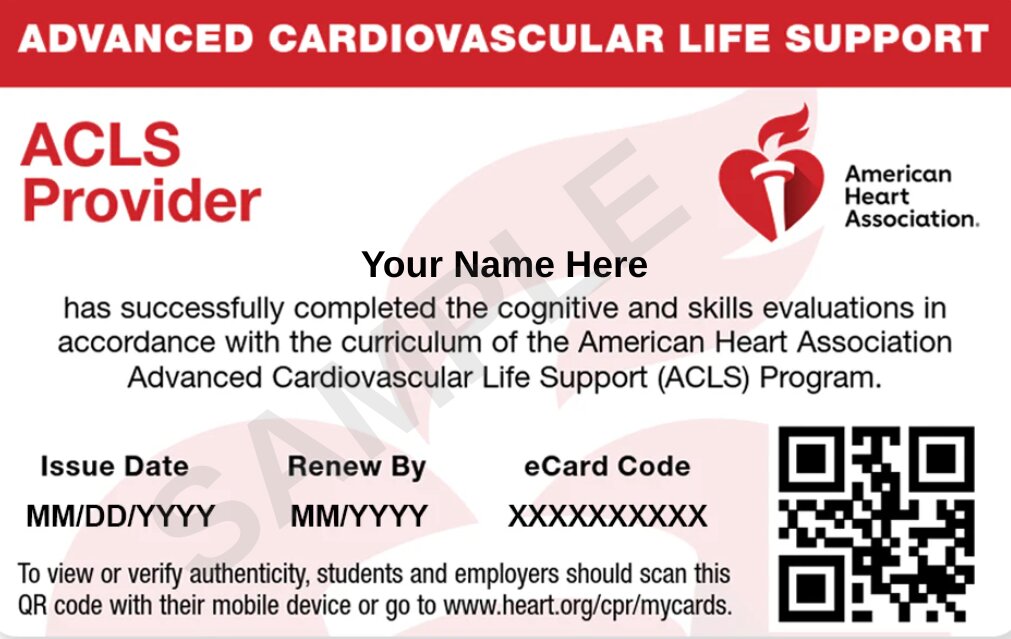
Does BLS certification replace ACLS certification?
No. Basic Life Support and Advanced Cardiovascular Life Support are different qualifications. ACLS provides advanced training for managing complex cardiovascular emergencies and is required for certain clinical roles. Some professionals need both credentials.