
Yes, someone can sue you for performing CPR, but that does not necessarily mean you will be held legally responsible. In the United States, Good Samaritan laws may protect people who provide emergency assistance in good faith, although the level of protection depends on the state and the circumstances.
This guide explains why you may be sued for performing CPR, how Good Samaritan laws may protect rescuers, and what steps to take if someone files a lawsuit after you provide emergency assistance.
Why Can You Get Sued for Giving CPR?
You may face a lawsuit after performing CPR if someone believes your actions caused harm or that you acted negligently. Common reasons include:
- CPR-related injuries: Chest compressions can cause broken ribs or other injuries, which may lead to a legal claim even when CPR was necessary.
- Alleged negligence: Someone may claim that you performed CPR incorrectly or failed to follow appropriate emergency procedures.
- Gross negligence: Acting recklessly or disregarding the person’s safety may leave you without protection under Good Samaritan laws.
- Lack of proper training: Performing procedures beyond your training may raise legal concerns, but lacking CPR certification does not automatically make you liable.
- Failure to follow safety instructions: Ignoring AED instructions or taking actions that unnecessarily endanger the person may raise legal concerns.
- Ignoring a DNR order: Performing CPR despite a valid Do Not Resuscitate (DNR) order may raise legal concerns, depending on the circumstances and applicable laws.
Should Fear of a Lawsuit Stop You From Giving CPR?
No, fear of being sued should not prevent you from providing CPR during an emergency, as legal cases involving alleged harm from CPR appear to be uncommon. A 2020 study published in Resuscitation supports this point, finding that only three of 170 CPR-related legal cases reviewed from 1989 to 2019 involved allegations of harm caused by CPR, while 167 involved inadequate or delayed bystander CPR.
Furthermore, Good Samaritan laws also protect people who provide emergency assistance in good faith, although the level of protection varies by state and the circumstances of the emergency.
For example, if you find someone unresponsive and not breathing normally, call 911 and begin CPR. If your chest compressions accidentally break a rib while you are trying to save the person’s life, the injury alone does not automatically make you legally liable. Acting reasonably to help someone in cardiac arrest is more important than letting fear of a lawsuit prevent you from taking action.
How Do Good Samaritan Laws Protect You When Giving CPR?
Good Samaritan laws in the United States help encourage bystanders to provide CPR during emergencies without being discouraged by the fear of a lawsuit. These laws may protect eligible rescuers from civil liability for injuries or other harm associated with their emergency assistance. However, the protection is not automatic, and its scope depends on the applicable state law.
For example, you witness someone collapse in a Florida shopping center. You begin CPR while waiting for emergency responders, and the person sustains a rib injury during chest compressions. The injury alone does not make you legally responsible. Florida’s Good Samaritan Act may protect you from civil liability if you meet the law’s requirements.
What Conditions Must You Meet for Good Samaritan Protection?
Good Samaritan laws in the United States may protect people who provide emergency CPR, but the exact requirements vary by state. The following conditions can help explain when legal protection may apply.
1. Provide Assistance in Good Faith
Acting in good faith means providing CPR with the honest intention of helping someone experiencing a medical emergency. For example, if someone collapses in a public place, starting CPR while waiting for emergency responders demonstrates that you are trying to help, not cause harm.
2. The Situation Must Involve an Emergency
Good Samaritan laws generally apply to emergency situations rather than routine medical treatment. For example, in Florida, providing CPR to a person experiencing cardiac arrest in a public place may qualify as emergency assistance, while routine medical care generally falls outside this context.
3. The Assistance Must Be Gratuitous
Legal protection may apply when someone provides emergency assistance without expecting payment or compensation. For example, if you perform CPR on someone in a public place without charging for your help, you may qualify for protection under the applicable state law.
4. You Must Avoid Gross Negligence or Intentional Misconduct
State law may not protect you if your actions involve gross negligence, reckless behavior, or intentional harm. For example, deliberately using CPR techniques to injure someone rather than provide emergency assistance may prevent you from qualifying for legal protection.
5. You Must Act Reasonably When Providing Emergency Care
You must follow recognized CPR guidelines and take reasonable steps to help the person during the emergency. For example, Florida law requires people providing emergency care to act as a reasonably prudent person would under similar circumstances to qualify for applicable legal protection.
Note: Requirements for Good Samaritan protection differ by state. Check your state’s laws to determine whether you qualify for legal protection when providing emergency assistance.
Do Good Samaritan Laws Vary by State?
Yes, Good Samaritan laws vary across all 50 U.S. states. Each state has its own rules for determining when people who provide emergency assistance, including CPR, are protected from legal liability. These differences can affect several aspects of the law:
- Who qualifies for protection: Some provisions apply to ordinary bystanders, while others address healthcare professionals or trained responders.
- What emergencies are covered: States may define the situations and types of emergency care covered by their laws differently.
- Conditions for protection: Requirements related to good faith, voluntary assistance, and reasonable conduct may differ.
- Exceptions to protection: State laws may exclude certain actions, such as gross negligence or intentional misconduct.
- Professional duties: Legal protections for people who voluntarily provide emergency assistance may differ from those for healthcare professionals providing care as part of their job.
Check the applicable state law to understand the specific requirements and exceptions that determine whether you qualify for legal protection when providing CPR.
Do Healthcare Professionals Receive Good Samaritan Protection?
Yes, healthcare professionals may receive Good Samaritan protection when they voluntarily provide emergency assistance outside their regular job duties. However, the legal protections available to healthcare professionals can differ from those available to ordinary bystanders.
Lay rescuers are generally protected when they voluntarily provide emergency assistance in good faith, subject to the applicable state law. Healthcare professionals may be subject to additional rules based on their licenses, professional responsibilities, and whether they are acting within their regular duties.
For example, a nurse who performs CPR on someone in a public place while off duty may qualify for protection under the applicable state law. However, a nurse providing care as part of their assigned hospital duties may be subject to different legal standards and professional obligations.
Do You Need CPR Certification to Provide Emergency Assistance?
No, you do not need CPR certification to perform CPR during an emergency. Anyone can provide CPR to someone experiencing cardiac arrest, even without formal training.
For example, if someone collapses in a public place and is unresponsive and not breathing normally, take the following steps:
- Check the person’s response: Tap their shoulders and shout to see if they respond.
- Call 911: Ask someone nearby to contact emergency services and request an AED.
- Start CPR: Begin hands-only CPR by placing both hands in the center of the person’s chest.
- 1. Perform chest compressions: Push hard and fast at a rate of 100 to 120 compressions per minute, allowing the chest to fully rise after each compression.
- Use an AED: Turn on the AED, attach the pads to the person’s bare chest as shown on the pads, and follow the device’s voice instructions.
- Continue CPR: Resume chest compressions immediately after the AED delivers a shock or advises no shock. Continue until emergency responders take over or the person shows signs of life.
You do not need CPR certification to help someone experiencing cardiac arrest, but proper training teaches you how to recognize the emergency, perform CPR, and use an AED. Enroll in our CPR certification classes to learn these lifesaving skills and prepare to respond to emergencies.
Can You Get Sued for Not Performing CPR?
Whether you can face legal consequences for failing to perform CPR depends on the circumstances and the laws that apply in your state.
In the United States, ordinary bystanders generally have no universal legal duty to rescue strangers or provide CPR. However, certain circumstances may create a legal duty to provide assistance, such as specific professional responsibilities or legally recognized relationships.
Even when you are not legally required to perform CPR, taking reasonable steps to help someone experiencing cardiac arrest can make a significant difference.
If you witness a suspected cardiac arrest, call 911 immediately and follow the dispatcher’s instructions. If you cannot or do not feel comfortable performing CPR, you can still help by asking someone else to provide chest compressions, locating an AED, or guiding emergency responders to the person.
What to Do If Someone Files a Lawsuit After You Perform CPR
If someone files a lawsuit against you after you provide CPR, take these steps to protect your legal rights:
- Do Not Ignore the Lawsuit: Read all legal notices and court documents carefully. Pay attention to response deadlines and do not miss them.
- Contact an Attorney: Hire a lawyer to review the lawsuit, explain your legal rights, and advise you on how to respond under your state’s Good Samaritan laws.
- Preserve Relevant Evidence: Keep any records, photographs, messages, or other information related to the emergency and the assistance you provided.
- Document the Incident: Write down what happened, including when you arrived, what actions you took, and when emergency responders took over.
- Identify Witnesses: Record the names and contact details of people who witnessed the incident and may be able to confirm what happened.
- Avoid Discussing the Case Publicly: Do not share details of the incident on social media or make public statements about the allegations.
- Notify Your Employer or Insurer: If you provided CPR as part of your professional duties or have relevant liability coverage, inform the appropriate organization or insurer.
Get CPR Certified and Be Prepared for Emergencies
Providing CPR during an emergency requires the ability to recognize cardiac arrest, perform chest compressions correctly, and use an AED safely. Learning these skills helps you respond appropriately, follow established guidelines, and understand how to qualify for legal protection under applicable Good Samaritan laws.
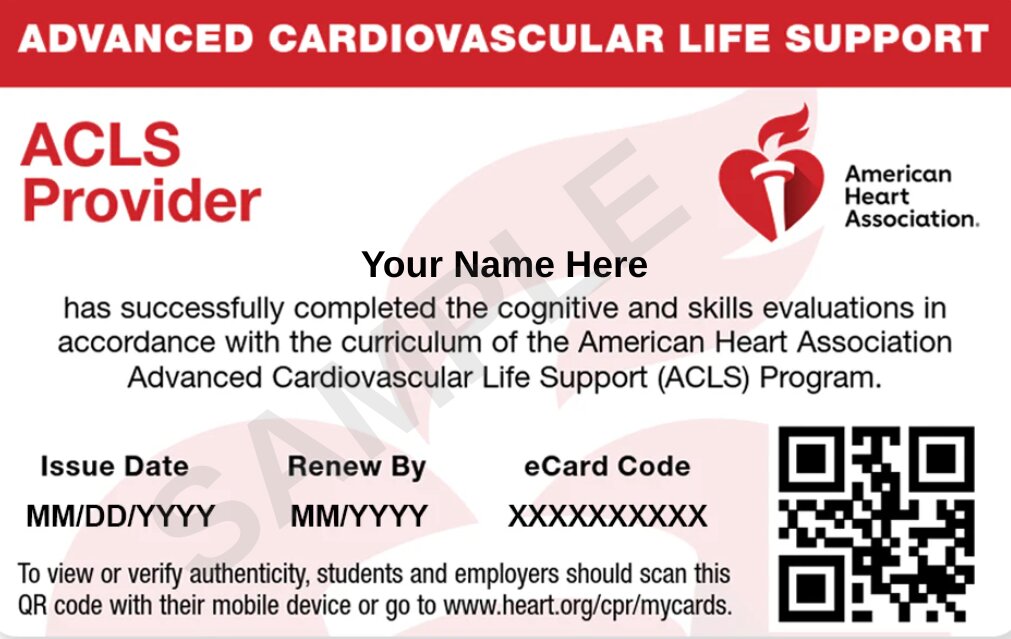
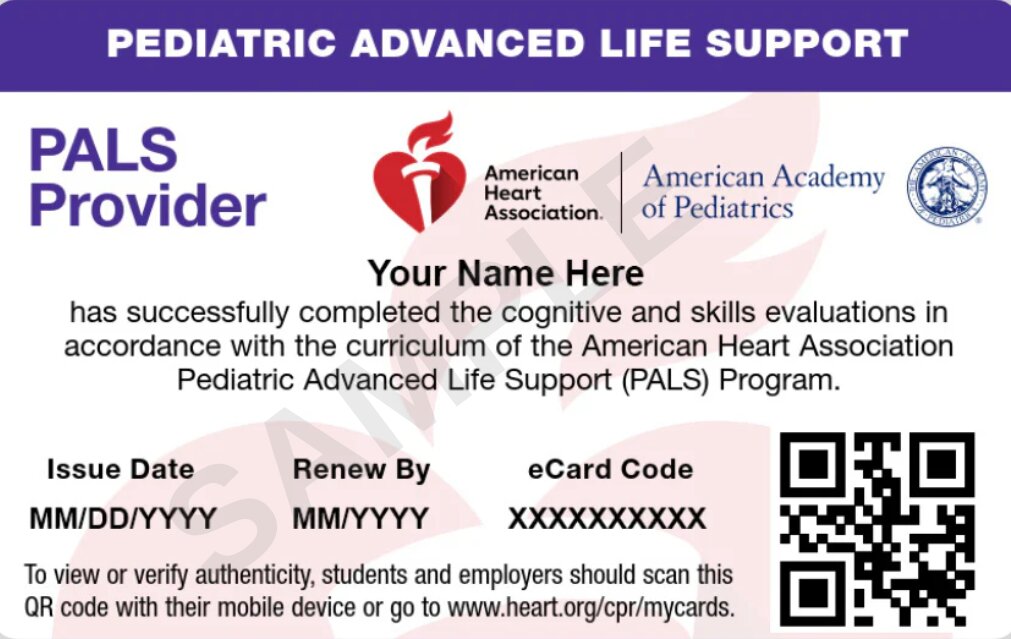
At Florida CPR Classes, we offer AHA certification courses, including CPR, BLS, ACLS, and PALS. Our multiple training locations across Florida make it convenient to attend a class near you. Complete your course and receive your nationally recognized AHA certification on the same day.
Frequently Asked Questions
Can someone sue you if CPR does not save their life?
Yes, someone can file a lawsuit after an unsuccessful CPR attempt, but the person’s death does not automatically establish liability. Good Samaritan laws may protect eligible rescuers who provide emergency assistance in good faith.
Should you stop CPR if you think you have broken a rib?
No. A suspected rib fracture alone is not a reason to stop CPR when a person remains in cardiac arrest. Continue appropriate resuscitation until a recognized stopping condition occurs or emergency responders take over.
Do Good Samaritan laws apply outside the United States?
Legal protections differ between countries. Some jurisdictions protect people who help during emergencies, while others have different requirements or the duty to assist. Check the laws applicable to your location rather than assuming US rules apply.
How Many People Have Been Sued for Giving CPR?
No nationwide data confirms how many people have faced lawsuits for performing CPR. However, lawsuits claiming that someone was harmed by CPR are uncommon.
Can Someone Sue You for Breaking Their Ribs During CPR?
Yes, someone can file a lawsuit over broken ribs caused by CPR. However, rib fractures are a known complication of chest compressions and do not automatically make you legally responsible.
Can You Be Sued for Performing CPR on Someone Who Does Not Want to Be Resuscitated?
Yes, you may face legal consequences if you knowingly disregard a person’s valid refusal of CPR or DNR order. If their wishes are unknown and no valid DNR is available, consent is generally presumed during a life-threatening emergency.
Should You Perform CPR on a Seriously Ill or Injured Person Who Cannot Give Consent?
Yes. If the person is unresponsive and experiencing cardiac arrest, begin CPR unless there is a valid DNR order or another clear reason not to resuscitate. Emergency consent is generally presumed when the person cannot make or communicate a decision.
Has Anyone Been Sued for Performing CPR on a Woman?
There is no reliable nationwide record of lawsuits specifically involving CPR performed on women. However, concerns about the person’s gender should never delay CPR during cardiac arrest.