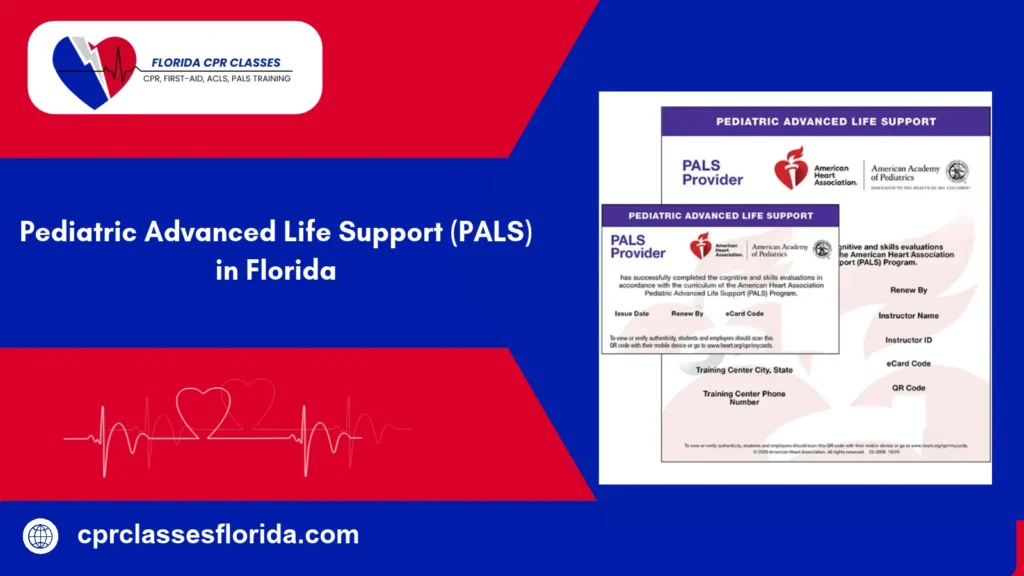
Pediatric emergencies such as respiratory failure, shock, and cardiac arrest require healthcare professionals to recognize warning signs and respond quickly. Pediatric Advanced Life Support (PALS) training prepares providers to assess critically ill infants and children, perform advanced resuscitation, and coordinate emergency care when a child’s condition becomes life-threatening.
For healthcare professionals seeking PALS certification in Florida, the American Heart Association (AHA) offers the PALS Provider Course, which combines pediatric emergency care knowledge with practical resuscitation skills. Understanding the available course formats, certification requirements, and training options can help you choose the right PALS course for your professional needs.
What is PALS Certification?
Pediatric Advanced Life Support (PALS) is a specialized training program that teaches healthcare professionals how to recognize and manage life-threatening medical emergencies in infants and children, including respiratory failure, shock, cardiac arrest, and serious heart rhythm disturbances. The training builds on Basic Life Support (BLS) skills and covers pediatric assessment, advanced resuscitation techniques, emergency interventions, and effective teamwork during pediatric emergencies.
The American Heart Association (AHA) publishes evidence-based resuscitation guidelines and offers PALS courses based on these recommendations.
The PALS acronym can be understood through four key components:
- Pediatric: Focuses on assessing and treating infants and children with serious medical conditions.
- Advanced: Covers advanced assessment methods, resuscitation techniques, and emergency interventions beyond basic CPR skills.
- Life: Emphasizes recognizing and treating life-threatening conditions to support survival and improve patient outcomes.
- Support: Involves applying appropriate resuscitation techniques, coordinating emergency care, and working effectively as a team to stabilize pediatric patients.
What Does PALS Training Cover?
PALS training focuses on recognizing life-threatening conditions, initiating appropriate interventions, and working effectively as part of a resuscitation team. The course combines clinical knowledge with practical skills and simulated pediatric emergencies.
Pediatric Assessment and Early Recognition
Participants learn to assess pediatric patients systematically, recognize signs of clinical deterioration, and identify respiratory or cardiovascular problems that require immediate intervention. Early recognition helps providers initiate appropriate treatment before a child’s condition progresses to cardiopulmonary arrest.
Respiratory Emergencies
The course teaches healthcare professionals how to recognize pediatric respiratory distress and respiratory failure and provide appropriate treatment. Individuals learn to identify abnormal respiratory patterns and apply appropriate interventions within their professional scope of practice.
Pediatric Shock
PALS training teaches healthcare providers to recognize different presentations of shock, assess signs of poor perfusion, and initiate appropriate treatment. Candidates learn to distinguish compensated shock from decompensated shock and recognize when hypotension indicates a serious deterioration in a child’s condition.
Heart Rhythm Disturbances
Participants learn to identify stable and unstable pediatric arrhythmias and recognize clinical features that indicate cardiovascular instability. The training covers how to assess heart rhythm disturbances and manage them using the appropriate resuscitation algorithms.
Pediatric Cardiopulmonary Resuscitation
PALS includes CPR and automated external defibrillator (AED) skills relevant to pediatric resuscitation. Trainees practice high-quality CPR and learn to coordinate resuscitation efforts during simulated pediatric emergencies.
Post Cardiac Arrest Care
The course teaches healthcare providers how to care for infants and children after their heartbeat and blood circulation return following cardiac arrest. Individuals learn why continued assessment, stabilization, and appropriate post-cardiac arrest management are important after initial resuscitation.
Resuscitation Team Dynamics
Pediatric emergencies often require multiple healthcare professionals to coordinate their actions. PALS training emphasizes effective communication, clear role assignment, leadership, and teamwork during resuscitation.
Who Needs PALS Certification in Florida?
PALS training is intended for healthcare professionals who provide emergency care to infants and children with serious or life-threatening medical conditions. Employers and clinical facilities may require PALS training for positions involving advanced pediatric emergency care.
Professionals who may benefit from PALS training include:
- Registered nurses and other nursing professionals working in pediatric or critical care settings.
- Emergency medical technicians and paramedics whose responsibilities include pediatric emergency response.
- Physicians and other medical professionals involved in pediatric resuscitation.
- Emergency department personnel who assess and stabilize critically ill children.
- Pediatric intensive care and critical care professionals.
- Healthcare providers who treat infants and children experiencing respiratory emergencies, shock, or cardiac arrest.
PALS is an advanced training course for healthcare professionals, not a general CPR course for the public. Before enrolling, check your employer’s requirements to confirm whether you need the initial PALS Provider Course, a PALS renewal or update course, or another resuscitation qualification.
How to Get PALS Certified in Florida
If you need Pediatric Advanced Life Support (PALS) training in Florida, follow these steps to choose and complete the appropriate course.
Step 1: Confirm Your Training Requirements
Check with your employer or clinical facility to determine whether you need an initial PALS course or an update course.
Step 2: Select a PALS Course Format
Compare classroom instruction and blended learning options based on your schedule, learning preferences, and practical training requirements.
Step 3: Register With a Training Provider
Verify the provider’s authorization, available class dates, course location, and the type of completion card offered.
Step 4: Complete the Required Coursework
Review the course materials and complete any required online preparation before attending the practical skills session.
Step 5: Complete Skills Practice and Assessment
Demonstrate the required skills through practical exercises, simulated pediatric emergencies, and course assessments.
Step 6: Receive Your PALS Completion eCard
After successfully completing all required course components, you can receive your PALS Provider Course Completion eCard. Check its expiration date and plan your next course according to your professional requirements.
PALS Training Formats Available in Florida
Healthcare professionals in Florida can choose between traditional Pediatric Advanced Life Support (PALS) training and blended learning. Both formats cover pediatric emergency assessment and resuscitation skills, but they differ in how learners complete the coursework and practical training.
Traditional PALS Training
Traditional PALS training involves attending in-person classes where an instructor explains pediatric emergency care and guides healthcare professionals through practical skills training.
Healthcare professionals review pediatric emergency care concepts, practice resuscitation skills, and work through simulated emergencies with instructor feedback. This format requires attendance at scheduled classroom sessions and may suit healthcare professionals who prefer face-to-face instruction and direct guidance throughout the course.
Blended PALS Learning
Blended PALS learning combines online coursework with an in-person, hands-on skills session. Healthcare professionals complete the online portion at their own pace before attending practical training.
During the skills session, they practice pediatric resuscitation techniques, work through simulated emergencies, and demonstrate the required skills. This format offers greater flexibility for healthcare professionals who need to fit training around their work schedules.
Both traditional and blended PALS courses provide the same American Heart Association (AHA) PALS Provider Course Completion eCard after you successfully complete all required coursework and skills assessments. Choose the format that best fits your schedule, learning preferences, and professional requirements.
PALS Certification Requirements in Florida
Before enrolling in a Pediatric Advanced Life Support (PALS) course in Florida, healthcare professionals should review the course prerequisites and prepare for the required training. Requirements may vary by course format and training provider.
Current BLS Certification
Healthcare professionals should have current Basic Life Support (BLS) skills before taking PALS training. These skills include high-quality CPR, effective ventilation, and appropriate use of an automated external defibrillator (AED) for infants and children.
Healthcare Experience and Clinical Knowledge
PALS is intended for healthcare professionals who provide or participate in emergency care for infants and children. Familiarity with pediatric assessment, basic life support, and emergency response concepts can help learners prepare for the advanced material covered in the course.
Completion of Required Precourse Preparation
Some PALS courses require learners to complete an online pre-course self-assessment and review the required learning materials before attending class. Check with your training center to find out which preparation activities you must complete before the course and whether you need to provide proof of completion.
Readiness for Skills Practice and Assessment
PALS training includes practical exercises and simulated pediatric emergencies. Healthcare professionals should be prepared to demonstrate the required resuscitation skills, apply pediatric emergency care algorithms, and work effectively with a team during simulated scenarios.
Important: Confirm the specific prerequisites with your training provider before registering. Do not assume that every course requires the same pre-course test score or documentation.
How Much Does PALS Certification Cost in Florida?
Pediatric Advanced Life Support (PALS) certification prices in Florida vary by training provider and course format.
At Florida CPR Classes, the following PALS training options are available:
- PALS Certification Course (Online + Skills): $295
- Skills Session Only: $150
How Long Does a PALS Course Take?
PALS course duration depends on the learning format, course type, prior experience, and required learning activities. The American Heart Association estimates that PALS training takes approximately 5.5 to 17.5 hours, depending on the course format.
Instructor-led courses may require a substantial classroom commitment, while blended learning allows participants to complete the online portion on their own schedule before attending the skills session. Actual completion time varies by course option and learner experience.
Check the schedule and estimated duration with your Florida training provider before registering, particularly if you need to complete training before a workplace deadline.
How to Choose the Right PALS Training Provider in Florida
Before enrolling in a Pediatric Advanced Life Support (PALS) course in Florida, compare training providers to ensure the course meets your clinical training needs and workplace requirements.
- AHA Course Recognition: Choose an American Heart Association (AHA) PALS course if your employer requires an AHA Provider Course Completion eCard.
- Training Format: Compare traditional classroom instruction with blended learning options that combine online coursework and in-person skills practice.
- Practical Skills Assessment: Confirm that the course includes hands-on practice and an assessment of pediatric resuscitation skills.
- Prerequisites: Check whether you need current Basic Life Support (BLS) certification and must complete any required pre-course preparation or self-assessment.
- Pediatric Training Equipment: Ask whether the skills session uses pediatric manikins, resuscitation equipment, and realistic emergency scenarios to help you practice essential skills.
- Schedule and Location: Review available course dates, session times, and training locations to find an option that fits your schedule.
- Total Course Cost: Verify whether the fee includes online coursework, the in-person skills session, and the PALS completion eCard.
- Certification Requirements: Confirm that the course satisfies your employer’s requirements and any applicable professional training standards before registering.
Get PALS Certified with Florida CPR Classes
Pediatric Advanced Life Support (PALS) training equips healthcare professionals with skills to recognize and manage pediatric emergencies, including respiratory failure, shock, and cardiac arrest. Choosing the right course helps you prepare for these emergencies while meeting your professional training requirements.
Florida CPR Classes offers PALS training options for healthcare professionals seeking certification in Florida. Complete the required coursework and hands-on skills session to earn your American Heart Association (AHA) PALS Provider Course Completion eCard after successfully meeting all course requirements.
Frequently Asked Questions About PALS in Florida
Is PALS the Same as BLS?
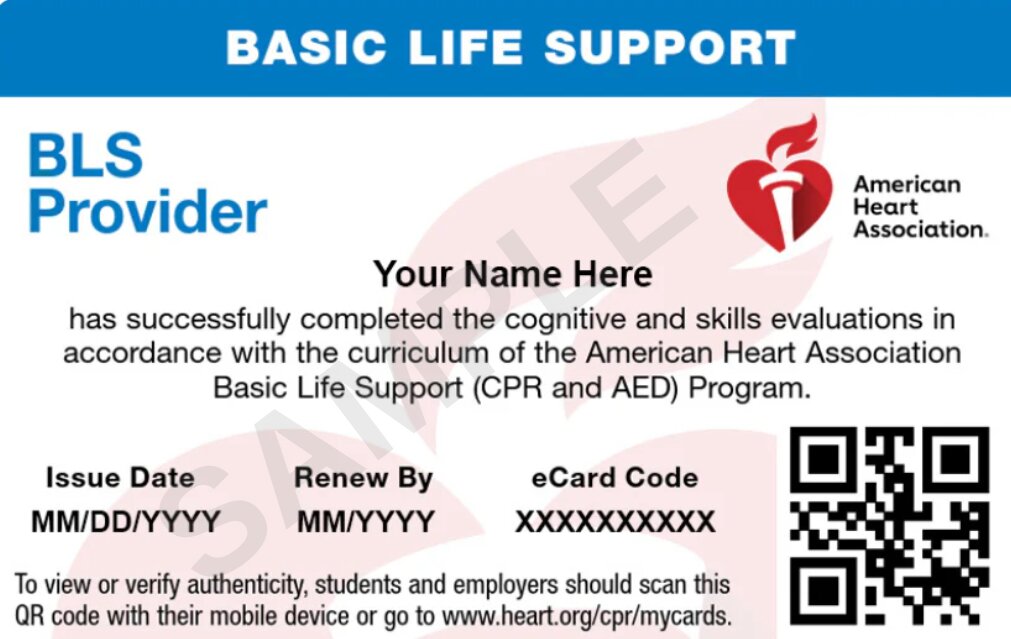
No, PALS and BLS are different courses. BLS teaches basic lifesaving skills, including CPR and AED use, while PALS provides advanced training to help healthcare professionals manage serious emergencies in infants and children.
How often do I need to renew PALS?
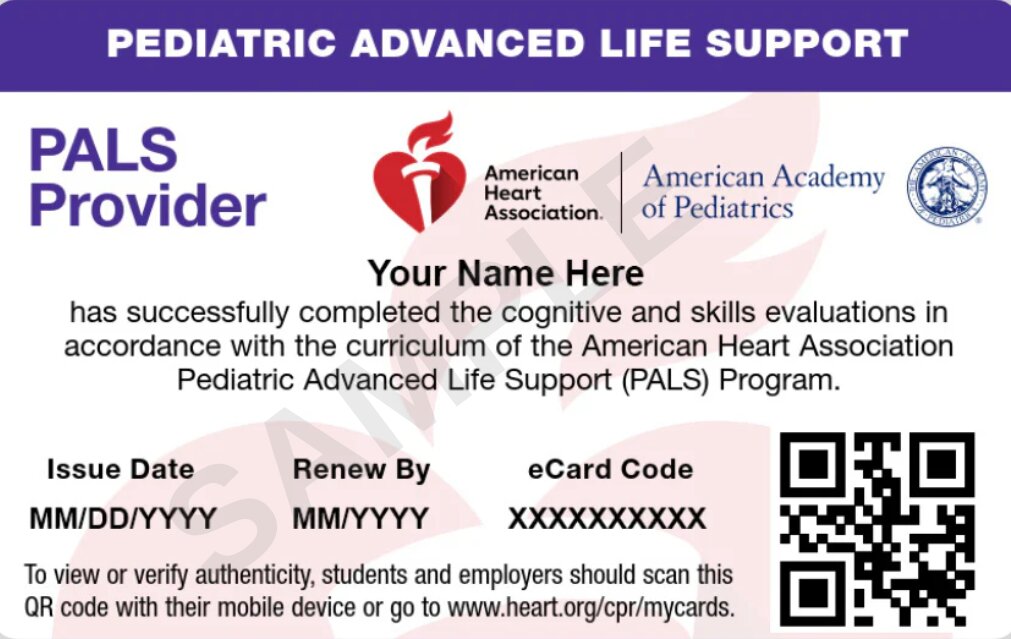
The AHA PALS Provider Course Completion eCard is valid for two years. Plan to complete the appropriate update or provider course before your card expires.
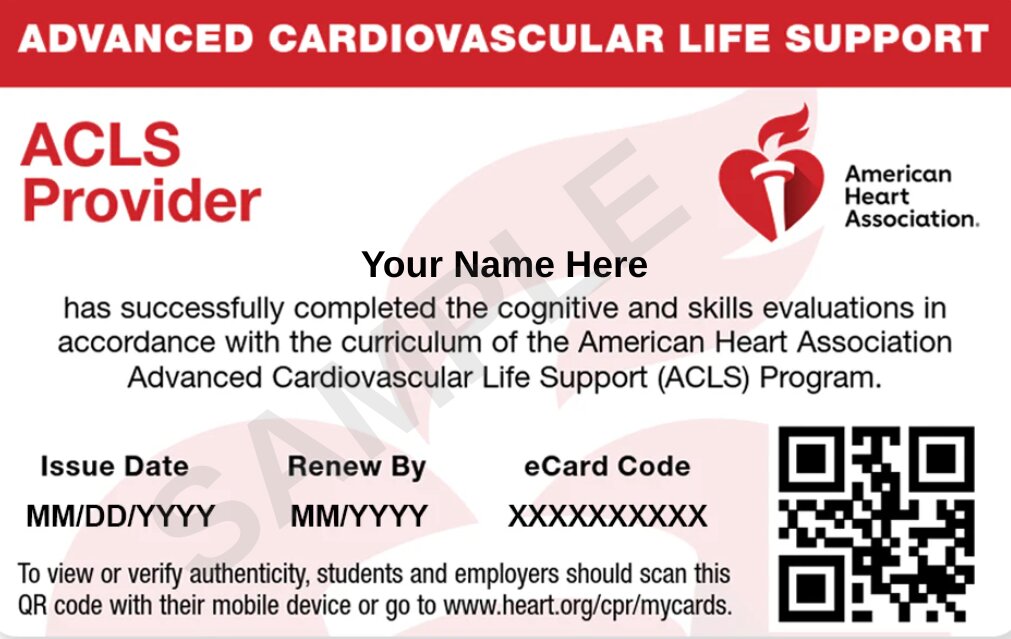
What is the difference between PALS and ACLS?
PALS focuses on recognizing and managing life-threatening emergencies in infants and children. Advanced Cardiovascular Life Support (ACLS) primarily addresses advanced cardiovascular emergencies in adult patients. Healthcare professionals should choose the course that matches their patient population and workplace requirements.
Does PALS include CPR training?
Yes. PALS includes CPR and AED skills relevant to pediatric resuscitation. The course also covers pediatric assessment, respiratory emergencies, shock, arrhythmias, team dynamics, and post-cardiac arrest care.
Is PALS Harder Than ACLS?
PALS and ACLS have different challenges. PALS focuses on critically ill infants and children, while ACLS covers serious cardiovascular conditions in adults. Which course you find more difficult depends on your clinical experience and familiarity with the treatment protocols for each patient group.